

Is Valium addicting? Learn how diazepam dependence develops, signs of addiction, withdrawal risks, safe use tips, and effective treatment options. Valium (diazepam) is a type of drug known as a benzodiazepine. These drugs act by boosting the activity of a chemical in the brain called GABA (gamma-aminobutyric acid) that has a calming effect on nervous system activity. What Is Valium? Valium is the brand name for diazepam, which is a long-acting benzodiazepine and central nervous system (CNS) depressant. It is a type of drug usually referred to as sedative-hypnotics. It was first approved by the FDA in 1963 and was one of the most widely used medications in U.S. history. Valium is FDA-approved to treat: It works by enhancing the activity of gamma-aminobutyric acid (GABA), an inhibitory neurotransmitter in the central nervous system. Valium increases levels of an inhibitory chemical in the brain, called GABA, which relaxes overactive brain activity, resulting in a sensation of calm, relaxation, and drowsiness. Is Valium Addicting? Yes, Valium is addictive, and yes, there is a neurological explanation. The following is how dependence begins: 1. GABA Enhancement and Brain Adaptation Valium increases the activity of a chemical known as GABA, which causes the drug to have a calming or sedative effect. The brain adapts to this man-made increase and stops producing its own GABA when it takes the drug regularly. The brain can no longer remain calm without the drug — physical dependence. 2. Dopamine and the Reward Pathway In addition to GABA, Valium also boosts the levels of dopamine in the brain reward system, which causes feelings of euphoria and pleasure. This is one of the reasons that people get addicted to Valium: the brain becomes accustomed to the relief and reward that it provides, and compulsion to use it continues even if the person desires to stop. 3. Tolerance: Needing More to Feel the Same After continued usage, the body gets used to the presence of Valium. This leads to a condition known as tolerance, whereby a certain amount of Valium will produce less effect, leading to taking more of the drug. 4. Dependence Even at Prescribed Doses Importantly, there is no requirement for misuse to be a basis for dependence. Drugs such as Valium can cause emotional and physical dependence, even when used as directed. Risks increase significantly if used for more than 4-6 weeks, taken at higher doses, or without a doctor’s instructions. Signs and Symptoms of Valium Addiction Early recognition of Valium Addiction can make a huge difference in treatment results. Key signs include: Behavioral Signs Physical Signs Psychological Signs The medical diagnosis for the addiction to Valium is called “sedative use disorder,” a diagnosis that can be made only by a trained medical professional. Valium Withdrawal: Why Quitting Is Dangerous Without Help A serious problem with Valium addiction is withdrawal. The drug has a CNS suppressive effect, and the sudden stopping of the drug causes a rebound of the CNS system, which can result in a life-threatening reaction. Common Valium Withdrawal Symptoms Severe Withdrawal Risks Valium withdrawal can trigger potentially deadly grand mal seizures in severe cases. Catatonia (unresponsiveness and immobility) has also been reported. Nearly 70% of people who stop using benzodiazepines experience substantial anxiety and cognitive problems while they are coming off them. Symptoms of withdrawal usually start in the first week or two after a person stops using and may last for a month or more, depending on how much and how intensely a person used the drug. The severity is directly related to the length of time the person has taken Valium and the dosage. How to Use Valium Safely (If Prescribed) These harm-reduction strategies can markedly reduce your addiction risk if you have a prescription for Valium: Valium vs. Xanax: Which Is More Addictive? An often asked question is how Valium compares with other benzodiazepines in terms of addiction risk. They both have high potential for dependence, but several studies indicate that Xanax (alprazolam) has more addiction potential than Valium. That’s because Xanax works faster, intensifies the high, and gets out of your system more rapidly, which would cause more craving and withdrawal symptoms. Although both drugs are equally dangerous, Valium is slightly less reinforcing because of its slower onset and greater half-life. Treatment Options for Valium Addiction The recovery process from the addiction of Valium is a structured process, which needs medical supervision and psychological support for safe withdrawals, reduced risk of relapse, and stability of the recovery process from the addiction of Valium. Step 1: Medical Detoxification Valium detoxification is a gradual reduction of the use of Valium under medical supervision, which reduces the risk of seizures, withdrawal, and stabilizes the body during the early phases of recovery. Step 2: Behavioral Therapies Behavioral therapies treat psychological addictions with CBT, group therapy, and counseling to help patients develop coping skills, emotional regulation, healthier thinking, and long-term addiction recovery tactics. Step 3: Medication-Assisted Treatment (MAT) MAT uses non-addictive medications such as SSRIs or SNRIs to control anxiety, depression, and withdrawal symptoms while encouraging brain healing and decreasing the chances of relapse. Step 4: Long-Term Support and Relapse Prevention Long-term support is available through therapy, support groups, mindfulness, and healthy lifestyle changes, which help boost recovery, prevent relapse, and help keep you emotionally and physically stable in the long term. When to Seek Help People suffering from addiction or dependence may experience one or more of the following, and if they do, it’s time to seek help from a healthcare professional or addiction specialist: Early intervention is the single greatest factor that will help you avoid serious consequences and increase your chances of recovery. Conclusion It is safe to take Valium for temporary medicinal purposes, but it can cause dependency and even addiction when used inappropriately or for a prolonged time period. It is crucial to know about the consequences that may result from taking Valium and the withdrawal process associated with it.

Why 100mg of Tramadol Causes Sleepiness
Will 100mg of tramadol make you sleepy? Learn causes, risks, side effects, and safety tips for tramadol drowsiness and how it affects alertness. What Is Tramadol and Why Does It Cause Sleepiness? Tramadol (Ultram, ConZip) is a centrally acting analgesic used to treat moderate to moderately severe pain. It is a mid-range therapeutic dose, 100mg, which is above the typical starting dose for adults (50mg) but within the recommended single-dose range of the drug. Tramadol is unlike many opioids in that it has a dual mechanism of action, which is one reason why it is so common to be sleepy: Opioid Receptor Agonism Tramadol is a weak mu-opioid receptor, which produces sedation and CNS depression, along with pain relief effects, in the brain and spinal cord. Serotonin & Norepinephrine Reuptake Inhibition The effect of tramadol is to interfere with the reuptake of these neurotransmitters, leading to changes in alertness and mood control and increasing fatigue and drowsiness. Active Metabolite (O-DSMT) The liver metabolizes tramadol into active opioid metabolites such as O-desmethyltramadol, which can greatly potentiate the sedative effects of tramadol. Dose-Dependent Effect 100mg is more sedative than 50mg. The greater the dose, the more sedative (CNS depressant) effects. Who Is Most Likely to Feel Sleepy on 100mg Tramadol? Some people do not become as sedated as others. Several factors greatly raise the risk and severity of drowsiness: Higher Risk of Pronounced Sedation Critical Safety Warning Will 100mg of Tramadol Make You Sleepy? Yes, 100mg of Tramadol will probably cause sleepiness. It impairs the function of the central nervous system, causing a decrease in the ability to be alert. Some users become drowsy, lethargic, or sleepy, particularly following the first dose or following the use of a drug such as an opioid that has a sedative effect. Why Tramadol Causes Sleepiness Tramadol has an impact on the central nervous system, making people less alert and active. It slows down neural signals, causing relaxation, drowsiness, and decreased mental focus for many users. 1. Opioid Receptor Activity Tramadol acts on a receptor in the brain called an opioid receptor to block the pain signals. This also affects brain function, resulting in relaxation, sedation, and apparent drowsiness among users. 2. Serotonin and Norepinephrine Effects It raises serotonin and norepinephrine levels, helping to maintain a person’s state of alertness and mood. This can lead to feelings of tiredness, relaxation, and reduced mental function and/or thinking. 3. CNS Depression Tramadol is a drug that has an effect on the central nervous system, reducing the activity of the central nervous system and decreasing alertness. This results in poor responsiveness, delayed reactions, and increased sleepiness or fatigue. How Tramadol Causes Drowsiness: The Science There are two different pharmacological mechanisms by which tramadol is sleep-inducing: 1. Opioid Receptor Agonism Tramadol inhibits mu-opioid receptors in the central nervous system (CNS). When these receptors are activated, they inhibit the excitability of neurons and create an analgesic effect and sedation. When taken at 100mg, the opioid receptor engagement is more noticeable. 2. Monoamine Reuptake Inhibition Tramadol also blocks the reuptake of serotonin and norepinephrine (NE), like some antidepressants, such as SNRIs. This mechanism is involved in changing the mood and may lead to fatigue or sleepiness on its own. The two mechanisms act synergistically to enhance CNS depression, especially at 100mg doses. Factors That Determine How Sleepy You Feel Not everyone experiences the same level of sedation. Key variables include: Factor Effect on Drowsiness First-time opioid use Greatly increases sedation risk Age (65+) Higher sensitivity, slower metabolism Body weight Lower weight = stronger effect per dose Kidney/liver disease Slower drug clearance = prolonged sedation Alcohol consumption Dangerous amplification of CNS depression Other medications Benzodiazepines, sleep aids, and antihistamines worsen drowsiness Tolerance Regular users may develop partial tolerance to sedation Formulation type IR may cause more acute sedation; ER provides steadier levels How to Manage Tramadol Drowsiness at 100mg If your doctor has prescribed 100mg of tramadol and the effect is sedating, but you can cope with it, here are some tips: Practical Tips to Reduce Interference from Sleepiness When Does Tramadol Drowsiness Improve? Tramadol has sedative effects, which are decreased with regular use by most patients after 1–2 weeks when the body becomes tolerant to the effect on the CNS. But the tolerance shouldn’t be an excuse to do unsafe things, such as drive too early. Always consult with your health care professional. Other Side Effects of 100mg Tramadol to Know (25 words each) Dizziness & Lightheadedness The most frequent side effects of 100mg tramadol are dizziness and lightheadedness. May cause imbalance, which can be prevented by taking up a position slowly to reduce the risk of falls or sudden fainting. Nausea & Vomiting It is common to experience nausea and vomiting, particularly when going without food. Consuming food or a light snack with tramadol is likely to minimize stomach discomfort and irritation. Headache Although tramadol is a painkiller, headaches can still occur. It is believed to impact brain chemicals, leading to mild to moderate headaches in certain susceptible people. Constipation Constipation is a common side effect of opiates. The slow action of Tramadol on the bowel may be prevented by drinking water, eating food high in fiber, and being active. Increased Heart Rate Tramadol may cause a rise in heart rate in some patients, as it affects norepinephrine. May feel like palpitations, particularly soon after the medicine is taken. Sweating It’s possible to sweat more than usual while taking tramadol. It occurs because of the stimulation of the nervous system, and is more pronounced in high doses or with exercise. Drug Interactions That Worsen Tramadol Drowsiness The following types of medications may have dangerous side effects when combined with tramadol: Drug Category Examples Benzodiazepines Alprazolam, diazepam, clonazepam Sleep medications Zolpidem (Ambien), eszopiclone Muscle relaxants Cyclobenzaprine, carisoprodol Antihistamines Diphenhydramine (Benadryl) Antidepressants SSRIs, SNRIs, MAOIs Other opioids Codeine, oxycodone, hydrocodone Antipsychotics Quetiapine, haloperidol Be sure to inform your prescribing doctor of any medication or supplements you are taking before taking tramadol. FAQs

Best Anti Itch Medicine Tablet: Complete Guide for Fast Relief in 2026
Discover the best anti itch medicine tablet in 2026. Compare top antihistamines, non-drowsy options, prescription treatments, and fast itch relief. Itching, or pruritus, is super uncomfortable, whether it’s from allergies, bug bites, hives, eczema, or dry skin. The right anti-itch medicine can ease that annoyance in minutes to hours, making life better. These meds usually act as antihistamines, blocking H1 receptors that cause allergic reactions and inflammation. For chronic issues, some prescribed options work on other stuff too, like opioid receptors or cytokine signals. What Is an Anti Itch Medicine Tablet? In this comprehensive guide, our medical editorial team reviews the best anti-itch medicine tablets you can get over the counter and also by prescription in 2026, covering things like effectiveness, how fast they tend to work, the drowsiness risk, and when you should use them best. The best anti-itch medicine tablet is usually an antihistamine, which is a medication class that blocks histamine, a chemical linked with itching, redness, and allergic reactions happening in the body. When histamine levels climb because of allergies or irritating factors, the skin does its thing, itching, swelling, or hives show up. Antihistamine tablets help calm that whole reaction pretty quickly, sort of turning down the itch response. Common and widely used options include: Top 8 Best Anti Itch Medicine Tablets (2026) Oral antihistamines are the top anti-itch tablets in 2026, giving quick relief for allergy, hives, insect bites, and skin irritation itchiness. They work by blocking histamine, which cuts down redness, swelling, and discomfort. This is why people trust them worldwide as a go-to treatment option. #1 Editor’s Choice – Cetirizine (Zyrtec) Cetirizine is among the top OTC antihistamines for quick itch relief. It calms allergy-related skin stuff like hives and irritation within an hour and keeps working for 24 hours. People love it since it really does its job well and doesn’t usually make them drowsy. #2 Best Non-Drowsy – Fexofenadine (Allegra) Fexofenadine takes the prize for being the least drowsy of these antihistamines, making it perfect for daytime use. You get long-lasting 24-hour relief and can stay alert and focused throughout your day. It’s great for folks who need to work or study without any distractions from fatigue or clouded thinking. #3 Best for Night Use – Diphenhydramine (Benadryl) Diphenhydramine works really fast; it can quiet intense itching and those allergic reactions within minutes or so. It also makes you quite sleepy, strongly drowsy in fact, so it is usually best to take it at night. This medication is great for sudden flare-ups of allergy, when you need fast comfort and also a calm night’s sleep at the same time. #4 Best for Kids – Loratadine (Claritin) Loratadine is a milder option, good for both kids over two and grown-ups. It eases itching for 24 hours and doesn’t come with many side effects. It’s usually what people reach for during allergy season or when they’ve got mild skin irritations that cause itchiness. #5 Best for Chronic Itch – Hydroxyzine (Atarax / Vistaril) Hydroxyzine’s a potent prescription antihistamine used for serious or chronic itches. Great for chronic urticaria and stubborn skin allergies, too. It helps with anxiety-induced itching as well, which makes it good for people having both stressed-out feelings and itchy skin issues. #6 Best Second-Line Rx – Bilastine (Bilaxten) Bilastine is a newer antihistamine with very good tolerability and no sedation in the majority of patients. Relieves allergies and itching of the skin throughout the day. It is increasingly used in patients who are less responsive to older antihistamines in many parts of the world. #7 Best for Severe Itch – Desloratadine (Clarinex) Desloratadine is a strong prescription antihistamine and an active metabolite of loratadine. It offers powerful, long-lasting relief for severe itching and chronic allergic conditions. It is often used when standard OTC antihistamines fail to control symptoms effectively. Quick Comparison Table: Best Anti Itch Tablets Medicine Generic Name OTC / Rx Onset Duration Drowsy? Best For Zyrtec Cetirizine OTC 1 hr 24 hrs Mild Hives, allergic itch Allegra Fexofenadine OTC 1–3 hrs 24 hrs No Daytime use, professionals Benadryl Diphenhydramine OTC 15–30 min 4–6 hrs Yes Nighttime, acute itch Claritin Loratadine OTC 1–3 hrs 24 hrs No Children, mild itch Atarax Hydroxyzine Rx 30–60 min 4–6 hrs Yes Chronic urticaria, severe itch Bilaxten Bilastine Rx (varies) 1 hr 24 hrs No Allergic rhinitis, urticaria Clarinex Desloratadine Rx 1 hr 24 hrs No Moderate to severe chronic itch Types of Anti-Itch Tablets Explained 1. First-Generation Antihistamines They are also called “sedating” antihistamines because they can cross the blood-brain barrier and prevent the binding of histamine and acetylcholine to their receptors. They are fast-acting (15-30 minutes) and highly sedative, affecting cognition. These include diphenhydramine (Benadryl) and chlorphenamine (Chlor-Trimeton). Best indicated in cases of acute, severe itch or at night when sleep is not a problem. 2. Second-Generation Antihistamines These are the most popular non-sedative anti-itch pills. They are selective for the peripheral H1 receanti-itchd exhibit poor central nervous system penetration. They take longer to take effect (1-3 hours) but will last all day, and are safe for regular use. Examples include cetirizine, loratadine, and fexofenadine. 3. Third-Generation / Next-Gen Antihistamines Second-generation antihistamines that are metabolites or derivSecond-generationoratadine (from loratadine) and cetirizine (from cetirizine). These provide greater strength for less side effects and less strength for the same effect. Bilastine is a new product and has a clean receptor profile. 4. Prescription Anti-Itch Tablets Chronic or unresponsive itching may be treated with newer biologics, such as hydroxyzine or oral corticosteroids (prednisolone for short-term use). If necessary (for instance, in cholestatic itch), rifampicin, an opioid antagonist such as naltrexone, can be used. Which Anti Itch Tablet Is Best for Your Condition? Allergic Hives (Urticaria) If the hives are allergic, the best treatment is the rapid-acting antihistamines such as cetirizine, fexofenadine, or loratadine. They help stop histamine release and deflate raised skin welts and control itching within hours. If the symptoms are more severe or chronic, prescription hydroxyzine may be needed to

Can I Swallow a Dissolvable Tablet? A Complete Guide
Can you swallow a dissolvable tablet? Learn which dissolvable tablets can be swallowed, which cannot, risks, benefits, and proper usage tips. What Is a Dissolvable Tablet? A dissolvable tablet is a solid kind of dosage form, made so it can break down or dissolve without you having to swallow it whole, with water. It’s basically engineered to fall apart when it meets saliva, some moisture, or water in general (especially if it’s the effervescent sort). There are a few clear categories, and figuring out what type you have is the main point for knowing if you can swallow it or not, in practice: 1. Orally Disintegrating Tablets (ODTs) Also called “fast-dissolving” or “melt-in-your-mouth” tablets, ODTs are put on the tongue, and they dissolve rather quickly, usually somewhere in the range of 30 to 60 seconds. Common examples are, for instance : 2. Sublingual Tablets These are set under the tongue and absorbed straight into the bloodstream via the mucous membranes. They’re made on purpose to get around the digestive tract. Examples include : 3. Buccal Tablets Placed between the gum and the cheek, buccal tablets dissolve more slowly and are taken in through the inner lining of the mouth. Examples include, in some cases, testosterone and fentanyl formulations. 4. Effervescent Tablets Dropped into water to form a fizzy liquid, then sipped/drunk. Examples include : Can I Swallow a Dissolvable Tablet? Yes, in some cases, you can take dissolvable tablets; however, that does not apply to all dissolvable tablets. There are dissolvable tablets that must first dissolve under the tongue or between the cheek and gums. Dissolvable tablets should always be taken in accordance with the instructions, as taking some dissolvable tablets by swallowing might affect their effectiveness. Why Are Dissolvable Tablets Prescribed? There are many advantages to using soluble tablets from a clinical perspective: Difficulty Swallowing (Dysphagia) Many patients – especially the elderly, young individuals, and patients with neurological disorders – have difficulties swallowing ordinary tablets or capsules. The ODT formulation provides a solution to these challenges. Faster Onset of Action The absorption rate of sublingual medications or ODT drugs is faster compared to orally taken pills. This is especially essential in cases where prompt action is needed, such as: Better Bioavailability Some medicines are not well-absorbed by the GI tract but show great efficacy when taken sublingually or buccally. It becomes possible to obtain the needed pharmacological effect with a lower dose. Convenience — No Water Needed ODT medicines are especially helpful in cases where water is not available, for example, when traveling or first thing in the morning. Compliance in Special Populations Both children and older adults have a higher likelihood of swallowing their medicine properly if they do not have to swallow the entire pill. Medication adherence is improved by this process. When Swallowing May Be Acceptable Some oral dissolving tablets are simply formulated for convenience. Swallowing them, however, would not reduce their effectiveness, since they would eventually be absorbed by the body anyway. These include, but are not limited to: But their effectiveness and speed of working might vary. When Swallowing Is Not Recommended Some dissolving tablets depend on oral tissue absorption. Some examples are: Swallowing these tablets may: Always adhere to the prescription of your doctor and/or medication instructions. Common Dissolvable Tablet Medications and Whether They Can Be Swallowed Medication Type Can Be Swallowed? Ondansetron (Zofran ODT) ODT Yes, with reduced speed of action Loratadine (Claritin RediTab) ODT Yes Rizatriptan (Maxalt-MLT) ODT Yes, though sublingual is preferred Nitroglycerin (sublingual) Sublingual No — reduces effectiveness critically Buprenorphine/Naloxone (Suboxone) Sublingual No — very low oral bioavailability Fentanyl buccal tablet (Actiq) Buccal No — safety concern Alka-Seltzer Effervescent No — dissolve in water first Vitamin C 1000mg effervescent Effervescent No — dissolve in water first Risks of Swallowing the Wrong Type of Dissolvable Tablet Reduced Drug Effectiveness The main disadvantage associated with using liquids is the decreased effectiveness of the drug. In case of taking regular medications (antihistamines), this will cause no problem, but in other cases, this could be quite a severe problem. First-Pass Metabolism Most of the drugs that are administered sublingually have been developed in such a manner because they are degraded by the liver in large quantities before entering the blood circulation system (first pass effect). Therefore, if swallowed, they become virtually ineffective. Altered Safety Profile There are concerns about the efficacy of some medications, especially opioids, administered orally. Oral delivery may affect their pharmacological effect due to timing, especially concerning the peak concentration. Gastrointestinal Irritation Sublingual and buccal tablets may contain some excipients that are not formulated for gastrointestinal activity and may lead to gastric disturbances or even nausea if swallowed. Special Considerations For Children ODTs are recommended for children since they are unable to swallow pills. Always adhere to the instructions provided by your pediatrician. Do not think that if you have an ODT prescribed for a child and he/she does not allow the ODT to dissolve, you can swallow it. For the Elderly The older population usually takes several medications, some of which could include nitroglycerin, used for heart ailments and administered sublingually. One must have enough knowledge about how to administer such drugs, especially in emergencies. For Patients with Dry Mouth Dry mouth as a result of either conditions or drugs will increase the dissolution rate of the ODT. Using a tiny amount of water prior to placement of the ODT in your mouth is advisable, although you should consult your pharmacist first about this. Pregnancy Always seek advice from your doctor or pharmacist before using any dissolvable tablets when pregnant. Some may be safe, some dangerous, and how the medicine is used is key. What Happens If You Accidentally Swallow a Dissolvable Tablet? If you happen to swallow a dissolvable tablet by mistake, the results will vary depending on the medicine itself. Possible effects include: Swallowing many orally disintegrating tablets unintentionally does not pose serious risks. However, in the case of sublingual and buccal drugs, efficacy may be

How to Improve Gut Health?
Learn about gut health, microbiome balance, digestion, immunity, energy, and how lifestyle, diet, and stress management improve overall wellness and health. Gut health is the status of the working and balanced digestive system, particularly the gut microbiome, which consists of trillions of bacteria. Eating well and maintaining a healthy gut is essential for proper digestion, absorption of nutrients, immunity control, and mental health. With a healthy gut, you have more energy, regular bowel movements, positive thinking, and less inflammation or chronic diseases in general. What Is Gut Health and Why Does It Matter Gut health is the balance and activity of your gut bacteria and microorganisms, particularly in the gut. This ecosystem is known as the gut microbiome. A good gut flora is beneficial for: A poor gut can lead to the following health problems: How to Improve Gut Health? 1. Stay Hydrated Certain beverages, like enough water, can aid digestion, stop constipation, assist with nutrient absorption, and maintain a smooth digestive tract. Healthy gut lining and overall gut microbiome balance also occur as a result of proper hydration. 2. Eat More Fiber Good gut bacteria and digestion with fiber. It aids in bowel movement, helps balance, prevents a bloated abdomen, and improves weight balance. Fiber is found in whole grains, fruits, and vegetables, and legumes are great sources of fiber. 3. Add Natural Probiotics Eating probiotics can help replenish good bacteria. Yogurt, kefir, kimchi, sauerkraut, and other fermented foods enhance digestion, strengthen immunity, and benefit the gut microbiome, which can lessen digestive troubles and help maintain a healthy gut. 4. Detoxify with Natural Foods Lemon, ginger, garlic, and green vegetables are natural detox foods that help to cleanse the digestive system. They eliminate toxins, aid liver function, and help keep the gut environment cleaner and healthier. 5. Exercise Regularly Exercise helps to ease the flow of the gut and digestion. It enhances the diversity of microbes, decreases inflammation, and promotes metabolism. Any exercise, such as a walk or light activity, will keep the digestive system healthy and active. 6. Avoid Harmful Habits Don’t smoke, drink too much alcohol, and eat processed foods. These are bad habits that harm gut health, inflammation, and digestion. Making healthy lifestyle choices helps maintain optimal gut flora and better health. 7. Manage Stress Stress can hurt gut bacteria and digestion. Stress reduction techniques such as meditation, breathing exercises, yoga, and relaxation create a better gut-brain connection, decrease inflammation, and promote better digestive health. 8. Use Beneficial Herbs & Spices Turmeric, ginger, peppermint, and fennel are herbs that aid digestion. They eliminate bloating, decrease inflammation, enhance gut health, and support a balanced gut flora, which leads to a more effective and comfortable digestive system. Top prebiotic foods to include regularly: Food Key Prebiotic Fiber Garlic Inulin, FOS Onions Inulin, FOS Leeks Inulin Jerusalem artichoke Inulin Asparagus Inulin Oats Beta-glucan Bananas (unripe) Resistant starch Cooked and cooled potatoes Resistant starch Chicory root Inulin Important note: If you currently suffer from gut problems (such as IBS), add in prebiotics slowly to not have any unwanted gas or bloating as the microbiome adjusts. Poor Gut Health Red Flags 1. Autoimmune Problems When your gut isn’t healthy, it can lead to an imbalance in your immune system, which can result in autoimmune problems. A compromised gut lining may create inflammation, which can result in the body attacking the wrong tissues and organs. 2. Chronic Fatigue and Sleep Issues Average gut health has an impact on energy generation and sleep quality. When the digestive system is not functioning properly, inflammation occurs, and the bacteria in the gut are unbalanced, there is constant fatigue, lack of energy, and a failure to get a good night’s sleep. 3. Digestive System Concerns The common digestive issues include bloating, gas, constipation, diarrhea, and acid reflux. The symptoms signify that there is a problem with all the bacteria in the gut, digestion, and the digestive system function is underbalanced and needs to be corrected and attended to. 4. Skin Allergies and Rashes The imbalance in the gut can manifest itself in the skin, either as acne, eczema, and/or rashes. Gut health is closely linked to skin health, as inflammation and buildup of toxins will impact skin health. 5. Sugar Cravings An unbalanced gut is frequently associated with a person’s desire for sweets and junk food. Sugar provides fuel for harmful bacteria, which affects brain function and creates intense cravings, thus increasing the imbalance in the gut and digestion. 6. Unexplained Mood Disorders The gut-brain connection has an impact on mental well-being. With an imbalance of gut bacteria, this can cause anxiety, depression, irritability, and mood swings because it decreases the production of serotonin and increases inflammation in the body. 7. Unexplained Weight Gain or Loss Sudden weight changes are caused by gut imbalance, which impacts the metabolism and nutrient absorption. An imbalance in the digestive system, inflammation, and bacterial imbalance may affect the systems involved in storing fat, managing appetite, and regulating energy. 5 Lifestyle Habits for a Happy, Healthy Gut 1. Move Your Body, Move Your Gut Exercise is good for the digestive system and helps it move. Exercise promotes good bacteria, improves digestion, and metabolism. Walking, yoga, and mild exercise keep the digestive system active. 2. Tame the Tension Stress can throw off the gut balance and slow digestion. This relaxation of tension through meditation, deep breathing, or relaxation techniques helps to enhance gut-brain connection, minimize inflammation, and contribute to better overall functioning of the digestive system. 3. Make Sleep a Priority Good sleep helps to heal and restore balance in the gut. Bad sleep leads to loss of appetite, inflammation, and reduced immunity. Good gut health and energy come from a consistent sleep schedule. 4. Rethink Your Vices Processed foods, alcohol, and smoking cause damage to the gut lining and diminish beneficial bacteria. If consumption of these bad habits is reduced, digestion becomes better, inflammation decreases, and the gut microbiome becomes balanced for long-lasting benefits. 5. How Excess Weight Impacts Digestion

Valium 10mg tablets guide
Is Valium 10mg strong? Learn uses, effects, dosage, benefits, side effects, and safety of Diazepam 10mg for anxiety, muscle relaxation, and seizures. Valium (Diazepam) is a type of medication called benzodiazepines. Doctors use it for anxiety and to relax muscles, as well as to treat some seizure disorders. Valium has effects on the brain and nervous system. It decreases brain activity. This declaration brings calm and relaxation. Valium 10 mg feels very powerful for many people. It can also be felt mildly by some people. These differences are the reasons why Valium 10 mg should be explained thoroughly. Valium 10mg tablets guide Valium 10mg tablets are made of diazepam. It is used medically for a short period to treat nervous system issues. The tablet is in oral form. It is taken with water. The drug is absorbed into the blood and transported to the brain. It inhibits the action of GABA receptors and slows down nerve signal transmissions. This induces relaxation and relaxation of the muscles. For most people, Valium 10mg is effective right away. The effects begin in 30-60 minutes. How Valium 10mg Works in the Body The mechanism of action of Valium 10mg in the body is dependent on the balance of chemicals in the brain. Valium increases the effect of the GABA neurotransmitter. GABA controls nerve signals in the brain. It reduces hyperactivity in the brain. This helps to lower emotional stress signals. It also promotes relaxation of the muscles and minimizes physical stress. Heart rate decreases. Breathing becomes steady. The brain goes into calm mode. This is the reason that Valium is sedative and calming even when taken at one 10mg dosage. Is Valium 10mg Strong? Yes, a 10mg Diazepam (Valium) tablet is considered a potent strength as compared to lesser doses. It can have a noticeable calming, sedative, and muscle-relaxing effect, particularly in individuals with low tolerances or those who are new to benzodiazepine treatment. Lower doses are typically given initially, before 10mg. Valium 10mg Effects The effects of Valium 10mg are profound changes in the mind and body. Mental effects: Physical effects: Sedation, difficulty concentrating, and alertness are experienced by some users. There is also a reduction in reaction time. This effect is greater when driving or operating machines. Valium 10mg for Anxiety Valium 10 mg for anxiety is meant to provide short-term anxiety relief. Valium is a drug that is used to treat acute anxiety attacks. It can help to calm the heart rate, racing thoughts, and fear reaction. Valium is effective in the treatment of anxiety symptoms. Aids recovery during intense stress. Doctors have not recommended long-term use for anxiety because there is a risk of dependence. Valium 10mg Benefits Anxiety Relief Valium 10mg calms down brain activity to alleviate strong anxiety. It decreases the nervous impulse and regulates fear, panic, and emotional stress responses in the body and mind. Alcohol Detox Valium 10mg is used in the treatment of alcohol withdrawal in a medical setting. It reduces the tremors, agitation, and anxiety that may occur on abrupt abstinence from alcohol use in dependent patients. Muscle Relaxation Valium 10mg works on the nervous system to relax tight and stiff muscles. It helps to reduce unnecessary muscle contractions and enhances comfort in situations associated with pain and tension. Seizure Control Valium 10mg can be used to manage the activity of seizures in emergencies. It will slow brain firing and stabilize brain activity in the hospital or clinical setting, under strict supervision. Valium 10mg Side Effects Valium 10mg side effects vary from mild to severe and may impact the body or the mind. The effects are dose-dependent, health-specific, and tolerance-dependent. Common Side Effects Some common side effects are drowsiness, dizziness, weakness of muscles, and fatigue. These effects diminish alertness and delay normal body movement and coordination in everyday activities. Cognitive Side Effects Some cognitive side effects are: memory problems, slower thinking, and confusion in some instances. These effects affect concentration, learning potential, and good decision-making in everyday life. Serious Side Effects Severe adverse effects include shortness of breath, high levels of sleepiness, and unconsciousness. These are life-threatening reactions and are frequently associated with high doses or misuse. How Long Does Valium 10mg Last The duration of Valium 10mg depends on the body’s metabolism. The effects typically begin within 30-60 minutes. Peak effects occur within a few hours. Sedation and calming actions can last for several hours. Mild effects can occur the following day for some, depending on their long action time. Duration varies depending on food intake, age, and liver function. A decreased metabolism makes the duration in the body increase. Key Facts About 10mg Valium Potency 10mg Valium is a pretty strong dose of a benzodiazepine. For a lot of first-time or more sensitive people, it can bring deep sedation, heavy muscle loosening, and a pretty noticeable calming of anxiety, like almost too much at first. Onset With oral intake, Valium 10mg usually starts working in about 30 to 60 minutes. Then it kind of ramps up gradually, and the strongest part tends to show up around one to two hours later. Risks Valium 10 mg can cause side effects, including fatigue, confusion, amnesia, dependency, and slow breathing. Chronic abuse often results in high levels of tolerance and withdrawal symptoms. Dangerous Interactions Also, Valium 10mg should not be mixed with alcohol, opioids, sleeping pills, or other sedatives. When these get combined, the sedation stacks up, breathing depression becomes more likely, and the overdose risk turns life-threatening pretty fast. Where to Buy Valium 10mg In regulated countries, a prescription is required to buy Valium 10mg. Always obey medical legislation in your area and ask for the advice of a healthcare worker. Product Strength Type Availability Purchase Page Valium (Diazepam) 10mg Prescription benzodiazepine Pharmacy with prescription required Buy Valium 10mg Online USA Concluison Valium 10mg has a considerable sedative action on the brain and body. It is used to treat anxiety, muscle spasms, and seizure symptoms. Can also build up a tolerance leading to
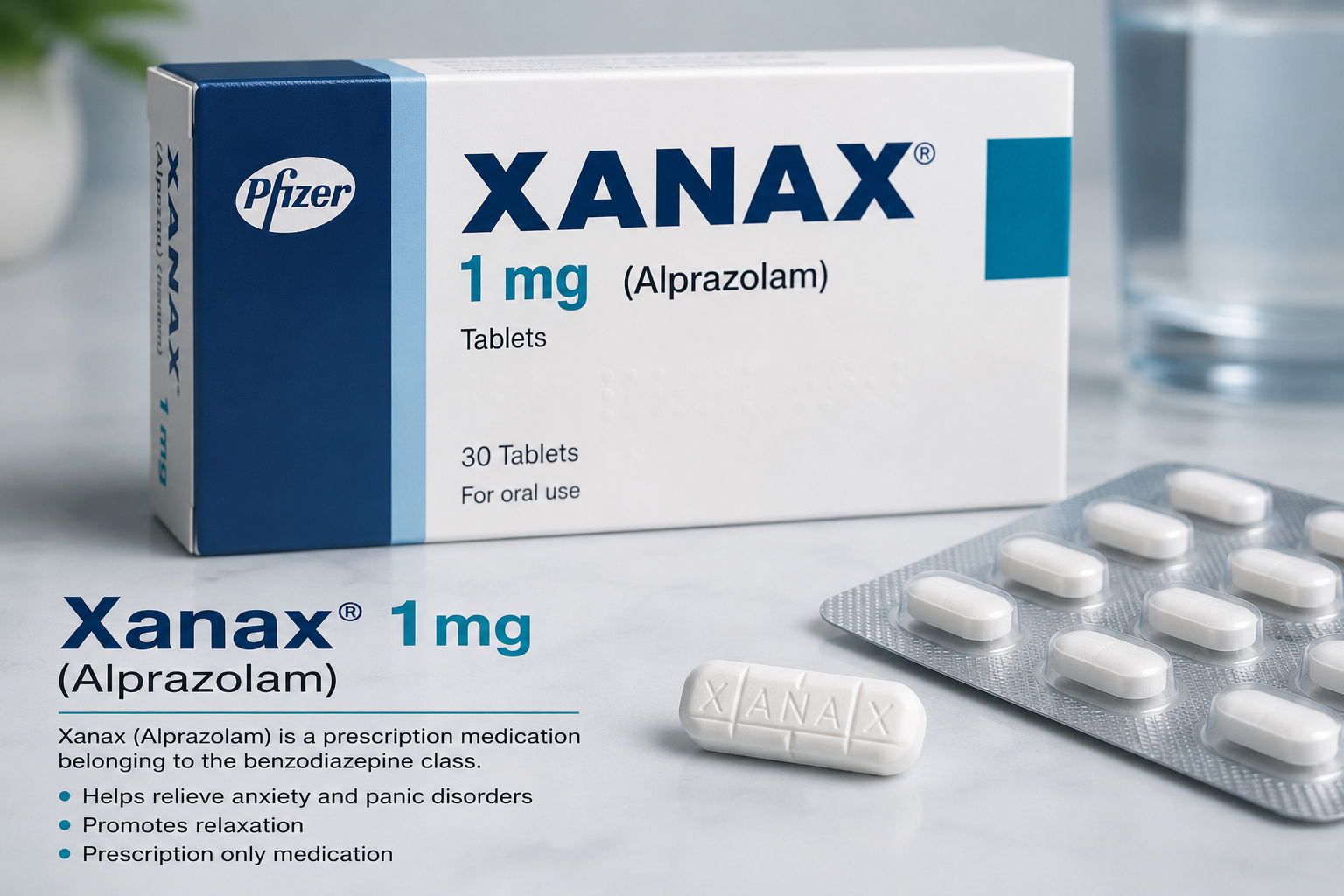
Can Xanax Cause Anxiety? Benefits, Risks, and Safe Use Guide
Can Xanax cause anxiety? Learn how alprazolam works, side effects, rebound anxiety, withdrawal risks, safe use, and panic attack treatment details. Introduction to Xanax Xanax (alprazolam) is a pharmaceutical preparation belonging to the class of benzodiazepines. It is prescribed by medical professionals for the treatment of disorders related to anxiety and panic states. Xanax calms down the person’s mind, preventing the onset of severe sensations of fear, panic, and stress. The medicine has a rapid action mechanism and provides temporary relief from anxiety problems. What Is Xanax Used For? The use of Xanax has attracted the attention of many who are searching for the purpose of using this drug. The uses of Xanax can be categorized as follows: Xanax medication can be prescribed by a physician for treating Use of Xanax for panic attacks has a fast effect in most cases. Alprazolam tablets can ease symptoms like feelings of fear, chest pain, trembling, and quickened heartbeat. Xanax for mental well-being may assist patients in becoming calmer during major anxiety attacks. Physicians can also prescribe anti-anxiety drugs for use along with psychotherapy and behavioral modification treatments. How Does Xanax Work? Users often want to know how Xanax works in the body. Xanax alters the brain’s functioning and inhibits certain signals that generate fear and stress. The medication enhances the functioning of an amino acid in the brain called GABA. GABA makes the body calm. Because of this action, Xanax tablets may help with: Anxiety relief through Xanax is a fast-acting anxiety relief that is achieved within an hour. Such rapid effectiveness makes this medication very popular in cases of panic attacks and serious anxiety. Can Xanax Cause Anxiety? Yes, in some cases, Xanax does cause anxiety. This occurs as a result of using the drug over long periods, missing doses, through the rebound effect, or withdrawing from Xanax usage. In such a case, the patient becomes nervous, restless, scared, or panics when the effect of the drug ceases. The mind depends on Xanax for feelings of tranquility. Why Xanax Can Cause Anxiety Xanax affects brain chemicals responsible for controlling stress and calming. In some cases, chronic use lowers the level of natural stress control. When drug concentration falls or treatment stops abruptly, the patient’s anxiety might return even stronger. 1. Breakthrough Anxiety Breakthrough anxiety is a condition in which anxiety returns before the next dose of Xanax. The patient experiences nervousness, restlessness, fear, and tension because the effect of the medication wears off too quickly. 2. Rebound Anxiety Rebound anxiety refers to the condition where anxiety comes back much more intensely after the effect of Xanax subsides. It can result in one feeling anxious, fear, palpitations, or shivers. Rebound anxiety is usually associated with long-term use of Xanax. 3. Paradoxical Reactions Some individuals have opposite experiences with Xanax, such as agitation, irritability, panic, uneasiness, or even heightened anxiety. People who have reached their older ages tend to be at greater risk of having these experiences. 4. Tolerance & Dependence Tolerance occurs if the same dose of Xanax fails to provide effective relief over time. Dependence occurs when the body becomes dependent on the drug. Failure to take the drug might cause anxiety and panic attacks. Primary benefits of Xanax The most significant advantages of using Xanax are that it provides quick relief from panic attacks, enabling patients to feel more in control in situations of fear or anxiety. Other advantages are that it can be useful in the treatment of GAD, helps keep the brain relaxed, relaxes the muscles in the body, and treats insomnia temporarily. Xanax (Alprazolam) Side Effects at a Glance Many patients tolerate Xanax well; however, there are cases when one may experience side effects from this drug. The impact is felt by males and females in equal measure. Drowsiness A person can experience drowsiness and a lack of alertness when under the influence of this medication. Drowsiness can become a problem after taking high doses of this drug. Fatigue A person using this medicine may experience physical tiredness and weariness. It will become hard to do any activities since a person feels physically drained. Trouble With Coordination Xanax can affect your sense of balance and coordination of body movements. In some patients, you might feel slow reactions or problems walking because of difficulties in coordination. Decreased Sex Drive A decrease in interest in sex is one of the possible side effects of taking Xanax. The reasons for such a decrease might be changes in hormone levels and fatigue. Memory Problems Xanax can cause short-term memory problems and distractibility. People sometimes forget what they were told, scheduled meetings, or other activities, particularly during prolonged therapy at high dosage. Difficulty Speaking Clearly During treatment with Xanax, people have problems speaking because the medication can weaken muscle control and cause trouble communicating. Increased or Decreased Appetite Xanax may either increase or decrease your appetite. While one person may have stronger appetite urges, another individual will eat less due to decreased appetite. Weight Gain or Weight Loss There might be changes in weight due to the appetite and activity modifications caused by the use of Xanax. Some individuals have gained weight, whereas others have lost some. Constipation Taking Xanax can cause delayed bowel movements or constipation in individuals. Hard stools, abdominal pain, and infrequent toilet visits are some common symptoms reported while taking medication. Xanax vs Other Benzodiazepines Medicine How Fast It Works How Long DoeLastLasts Main Difference from Xanax Xanax (alprazolam) Very fast (15–30 minutes) Short to medium (about 11 hours) Works very fast for anxiety and panic, but can cause stronger withdrawal effects Ativan (lorazepam) Medium speed (up to 2 hours) Medium (around 12 hours) Safer for the liver, often used in older people, lower rebound anxiety risk Klonopin (clonazepam) Slow (1–2 hours) Long (22–54 hours) Gives a long-lasting calm effect, also used for seizure control Valium (diazepam) Fast (30–60 minutes) Very long (20–70 hours) Stays in the body longer, used for muscle spasm and alcohol withdrawal How

Best Sleeping Tablets to Buy Online
Learn what sleeping tablets to buy, types of sleep aids, benefits, risks, and popular products at USPHARM Shop for better sleep support. Sleeping pills can be used by people suffering from sleep disorders. People suffer from various disorders like stress, anxiety, working at night, and even bad sleeping habits. All of these problems might lead to a lack of proper sleep. However, sleeping pills could be useful for some patients if taken properly. A good number of sleeping pills may have natural components such as melatonin and herbs, while others may comprise strong drugs prescribed by medical experts to people with temporary sleep problems. It is essential to know how sleeping pills work before buying any of them. Different options of sleep-supporting products are available through US Pharm Shop, where you can get detailed information about different types of sleep aids and wellness products. What Are Sleeping Tablets? Sleep tablets are medications that promote sleep. Certain sleeping pills help one relax their mind before going to bed. Others promote falling asleep easily and also help stay asleep for an extended period of time. Most sleeping pills function by relaxing both the mind and body. Different sleep aids can help promote sleep by stimulating the release of sleep hormones such as melatonin, valerian root, or chamomile. Prescribed sleeping medications might be effective for severe cases of insomnia. Common reasons people use sleeping tablets include: Types of Sleeping Tablets to Buy 1. Over-the-Counter (OTC) Sleeping Tablets Sleeping pills bought over-the-counter have no prescription restrictions. Some are antihistamine sleep aids, while others are melatonin supplements. Such medications make a person feel sleepy, decrease their level of alertness, and offer quick but temporary relief for mild sleep disorders. Pros These sleeping pills are readily available from pharmacies, effective in treating minor insomnia cases, work faster compared to other types of sleeping medication, and are comparatively cheaper than other medications. Cons These may lead to drowsiness in the morning, dry mouth, and a feeling of dizziness. These medications cannot treat extreme cases of insomnia and must not be taken regularly or even continuously. 2. Prescription Sleeping Tablets Prescribed sleeping pills are very powerful drugs prescribed by doctors. Such drugs can be Z-drugs, benzodiazepines, and sedative antidepressants. Their effectiveness is based on their ability to calm down brain activity and cause sleepiness. How they work These drugs affect the overactivity of the brain and nervous system, and lead to its relaxation. Thus, the person falls asleep faster and stays asleep for a longer period of time. Pros They are highly effective in dealing with insomnia, inducing fast and high-quality sleep when other ways prove to be ineffective, particularly within the framework of professional supervision and short courses. Cons These have side effects of causing addiction, tolerance, and excessive drowsiness during the day. Their continuous use is hazardous, and their sudden discontinuation will lead to withdrawal effects. These should always be used on the prescription and advice of physicians. 3. Natural Sleep Supplements Natural sleep supplements include gentle products such as melatonin, valerian root, and chamomile. These help to induce sleep through natural processes that do not cause intense physiological effects or high levels of sedation. How they work Such products assist in natural melatonin production, relax your nervous system, and help you feel more relaxed. They lead your body to sleep gently without causing you any sedative effects like those from powerful sleeping pills. Pros They are gentle, natural, and less likely to cause side effects compared to prescription medicines. The products can assist you in achieving better sleeping patterns, promote relaxation, and be effective for those who suffer from minor sleep disorders. Cons For serious cases of insomnia, natural supplements alone are insufficient. Their action is slow and may yield minimal effects, and their continuous use is necessary to see any improvement. How Do Sleeping Tablets Work? Sleeping pills have an effect on brain chemicals that influence sleep and alertness. There are several types of sleeping pills depending on the way they act: When these medications work, they cause: Nevertheless, they do not produce natural sleep. They just help a person to relax for some time. Benefits of Sleeping Tablets Sleeping pills aid in falling asleep quickly and increasing sleep duration. Night disturbances become less frequent and contribute to temporary insomnia due to stress or anxiety. Proper sleep enhances one’s mood, concentration, and performance. Sleep medication can be useful in getting back to normal sleeping patterns. Sleeping Tablets vs Natural Sleep Feature Sleeping Tablets Natural Sleep Methods Speed Fast sleep Slow improvement Safety Possible side effects Very safe Dependence Possible No dependence Long-term use Not recommended Recommended Important Things to Know Before Buying Sleeping Tablets Before purchasing sleep tablets, there are some basics that one should know about. These tablets vary in terms of function. Some tablets enable users to fall asleep faster, while there are others make them sleep for a longer period. Consider the following when making your selection: Type of Sleep Problem Some individuals have difficulty falling asleep. Some individuals get up too early. Select a product that suits the type of sleeping problem you may be having. Strength of the Medicine Sleeping drugs vary in strength. Milder strengths can help those with minor sleep issues. More potent sleeping drugs can help individuals with insomnia. Duration of Use Some types of sleeping pills help in providing temporary aid for sleeping problems. Taking sleeping pills for a long time is not healthy without seeking medical guidance. Side Effects Some individuals feel tired and dizzy when taking sleeping drugs. The information provided can assist consumers in knowing the impacts of such products. Product Quality Make sure you only shop at reputable online pharmacies providing detailed product descriptions and secure transactions. Best Sleeping Tablets Available at USPHARM Shop USPHARM Shop sells various sleeping pills that are popular among people. The site mentions some medicines that have been approved by numerous users to be taken for better sleep. (uspharmshop.com) Given below are some of the

Can Soma Be Used for Pain? The Ultimate Guide
Can Soma be used for pain? Learn how Soma may help short-term muscle pain, how it works in the body, its benefits, side effects, safety tips, and when to see a doctor. What Is Soma? Soma is a brand name for carisoprodol. Carisoprodol is an analgesic prescribed to relieve temporary muscle pain. It is generally prescribed to patients suffering from muscle pain caused by strain or injury. This medication acts on nerves to relax muscles and relieve nerve activity between the body and brain. Can Soma Be Used for Pain? Yes, Soma (carisoprodol) is used to relieve short-term pain from muscle injuries such as strain, sprain, and backache. It is an effective muscle relaxant that alters the way the nerve cells transmit pain signals to the brain. Soma is normally prescribed together with rest, physical therapy, and other treatment methods. How Soma Works Inside the Body for Pain Relief Soma works predominantly on the central nervous system. Its mode of action is indirect but efficient when it comes to muscle pain. Step 1: Muscle Injury or Strain Occurs Overstretching and injuries cause muscles to contract. Contraction of the muscles is referred to as muscle spasms. This is a defensive mechanism by the body. Step 2: Pain Signals Are Sent to the Brain The nerve endings in the muscles stimulate the spinal cord and brain, sending pain messages which result in pain, stiffness, and discomfort. Step 3: Soma Affects Nervous System Communication Soma is known to decrease the speed of nerve impulse transmission within the central nervous system. As a result, the pain impulses that reach the brain become less intense. Step 4: Muscle Relaxation Occurs Since nerve impulses decrease, the muscles tend to relax. There will be fewer spasms, making movements easy. Step 5: Sedation Effect Helps Recovery The metabolite, meprobamate, causes sedative effects. This reduces anxiety, enhances relaxation, and improves sleep during recovery from pain. Types of Pain Where Soma May Be Effective Soma is only effective in certain conditions, causing pain associated with the muscles. Acute Lower Back Pain The lower back muscles can be strained by carrying heavy things, jerky movement, and improper positioning. Soma alleviates stiffness and increases flexibility. Neck Muscle Pain In case of neck pain resulting from improper sleep or prolonged screen time, there can be muscle spasm, which can be relaxed by soma. Muscle Spasm Conditions Pain results from involuntary muscle spasms that occur abruptly. Soma assists in reducing such muscle spasms. Injury-Related Muscle Pain Protective muscle spasms result from sprains and soft tissue injury. Soma is effective in reducing protective spasms. Post-Physical Activity Strain Following strenuous exercises, the muscles may become sore and tight. In some instances, soma can be used. Types of Pain Where Soma Does NOT Work Soma has strict limitations and does not treat many pain conditions. It is not effective for: This is because Soma targets muscle-related nervous activity, not nerve damage or inflammation inside joints or organs. Benefits of Soma in Pain Management The drug soma provides temporary relief from muscle pain through relaxation of tense muscles and spasms. It is fast-acting in acute cases, facilitating improved mobility. Soma also promotes good sleep by easing pain. Patients can perform their daily tasks with ease due to reduced stiffness and pain. Possible Side Effects of Soma Drowsiness Soma may cause pretty strong drowsiness during the day. A lot of people end up feeling sleepy after taking it, and that can mess with their work, focus, or just normal daily activities. Dizziness Some users also report feeling lightheaded or a bit unsteady after using Soma. That kind of dizziness can raise the risk of falls, especially if you stand up too fast or too quickly from a seated position. Headaches Headaches are also pretty common with carisoprodol. Some people only notice mild pressure, but others might feel more uncomfortable sensations for a while during the treatment. Sedation Soma can give a kind of calming and sedative effect, as it smooths things out in the body. Because of that, alertness may drop, and users might feel unusually relaxed, or just tired in a strange way. Mental and Physical Impairment Soma can slow both thinking and physical movement. So driving, using machines, or dealing with important tasks may become unsafe while this medication is being taken. Euphoria A few users might feel a kind of unusual happiness or a rush of excitement after using Soma. That feeling of euphoria can then raise the chance of misuse or even dependence. Anxiety and Depression During Soma use, mood shifts can happen. Some people say they get more anxiety, or sadness, or that heavy emotional discomfort that messes with normal life and the way they relate to others. Memory Loss Soma can also affect short-term memory for some users. They might forget small tasks, key bits from conversations, or important details while the treatment is going on. Agitation and Aggression Instead of feeling calm, a subset of users end up feeling irritated or restless. That can spill into anger, frustration, and aggressive reactions in certain situations for some. Insomnia Even if Soma makes people drowsy, some individuals still have trouble with sleep. It may be hard to fall asleep, or they keep waking up, so sleep stays broken during the treatment period. Social Withdrawal When mood and mental focus change, some people might start avoiding social contact. They may lose interest in normal conversations or in usual activities, and that can further isolate them. Side Effects of Overdosing on Soma Blurred Vision A Soma overdose can mess with eyesight, leading to blurred vision and that kind of foggy seeing. Some people just can’t seem to focus clearly, so reading, walking, and even basic day-to-day chores can get hard pretty fast. Muscular Incoordination When there’s too much Soma, muscle control and balance can take a hit. Walking might turn into a struggle, and small body movements can feel weak, slow, or kind of wobbly. Hallucinations Some individuals may be able to visualize or hear

Is Valium Addictive? Risks, Side Effects, and Safety Guide
Learn if Valium is addictive, its side effects, dosage, withdrawal symptoms, anxiety treatment uses, safety precautions, and health risks. Introduction There is a lot of debate surrounding the addiction to Valium tablets. This medicine is used by doctors to treat anxiety, panic attacks, muscle spasms, or seizures. The medicine soothes the brain and nerves. This medication can be taken for brief periods of time under the supervision of a medical professional. Valium medication belongs to a group of drugs called benzodiazepines. This drug’s generic name is diazepam. Diazepam medication is prescribed for muscle tension, sleep disturbances, stress, and fear. Many patients will benefit from the medicine, but if it is not used properly, it can cause serious health problems. Individuals should have definite facts before taking this medicine. This guide provides details about addiction risks, safety tips, dosage and side effects, and treatment information. What Is Valium? Valium is a prescription medicine that has an effect on the nervous system. This drug has diazepam as the active ingredient. This drug is commonly referred to by its name. Diazepam brand medication is used to treat seizures, muscle spasms, alcohol withdrawal, and anxiety and panic attacks. This medicine is also used by doctors before some medical procedures. Diazepam oral tablets can be purchased at varying strengths from many pharmacies. The right dose is determined by the doctor because of age, health, and treatment objectives. What Is Valium Used For? Many ask the question, What is Valium used for in medical care. This medication is used to treat a number of health problems. Valium for Anxiety One of the most popular medical applications of Valium is for anxiety. When the anxiety becomes excessive, it can result in fear, stress, nervousness, and panic. This drug calms down the brain activity and aids the patient in calming down. Valium for Panic Attacks Valium is quickly effective, and many doctors resort to it for panic attacks. Chest tightness, shaking, sweating, and fear are some of the symptoms of panic attacks. These symptoms can be decreased by Diazepam. Diazepam for Muscle Spasms Doctors may prescribe Diazepam after a minor injury or nerve injury to treat muscle spasms. Medicine that helps relax muscles and alleviate tension-induced pain. Diazepam for Seizures Diazepam is given to some patients as treatment for seizures during an emergency. The medicine helps to soothe abnormal brain activity. Valium for Sleep Problems A few people take Valium for sleep trouble that is related to stress or anxiety. Short-term treatment is generally recommended, as longer use may lead to dependency. How Valium Works There are a lot of people who look for information concerning how Valium works in the body. The medicine works on chemicals in the brain known as neurotransmitters. Diazepam potentiates the effect of GABA, a chemical that helps to decrease nerve activity. This process causes a calming effect of Diazepam, which reduces stress, fear, and muscle tension. The drug can make the patient feel relaxed, sleepy, or calm. The medicine is referred to by many patients as a ‘valium’ calming medication because it slows the activity of the nervous system. Is Valium Addictive? Yes, there is a possibility of addiction to Valium. High doses and prolonged use increase risk. The medicine is sometimes also used without a prescription. Patients are at higher risk for developing addiction to Valium when they: Valium benzodiazepine drug, can induce physical dependence and mental dependence. The body can build a tolerance to the drug over time. Withdrawal symptoms can occur during the withdrawal phase. Valium Dependence Symptoms These are some of the signs that dependent patients might see. Long-term use can lead to these symptoms. Symptoms of dependence on common benzodiazepines are: In some patients, the dose is not effective enough, so they take more. Valium Withdrawal Symptoms Discontinuation of diazepam can lead to serious health problems. Doctors tend to wean off slowly. Some common withdrawal symptoms of Valium are: For some patients, withdrawal can be so bad that they experience seizures. Medical assistance minimizes these risks. Valium Dosage Guide A doctor prescribes an age, symptoms, and health condition guide to dose Valium. The dose of Valium given to an adult will depend on the treatment desired. Doctors will generally begin with the lowest possible dosage to minimize adverse health reactions and side effects. Valium directions for use must be adhered to closely by patients. Do not stop or change the medicine without a doctor’s directions. May cause withdrawal symptoms or overdose problems if misused. Valium Uses and Benefits Uses and benefits of Valium include relieving anxiety, relaxing the muscles, controlling seizures, and supporting sleep. After the correct treatment, some patients can experience a sense of calm during stressful times. Valium must be used properly and only for brief periods of time. Valium medical treatment plans may be used in conjunction with therapy, counseling, and lifestyle support by doctors. For most patients, a combination of treatments will yield the best results. 8 Valium (Diazepam) Side Effects You Should Know About 1. Drowsiness One of the most frequent side effects of Valium is drowsiness. Patients often experience drowsiness, fatigue, and/or impairment of alertness upon taking diazepam. This can impact driving, work duties, and common activities. 2. Weakness Some patients become weak and have decreased physical strength when taking Valium. Movement may be difficult, lifting may be difficult, or being active may be difficult. Weakness is a risk factor for older people. 3. Problems with Coordination Diazepam may have an effect on balance, control of the body, and coordination. In some patients, the walks are wobbly, reflexes are delayed, or they do not have good movement control. These issues can lead to a higher risk of falls and accidents while performing normal activities. 4. Dizziness Dizziness is a common side effect of using Valium tablets. The medication may cause dizziness, unsteadiness, or whirling sensations. Sitting up quickly following sitting or lying down can worsen dizziness issues. 5. Memory Problems Long-term use of Valium may impair memory and concentration. Patients