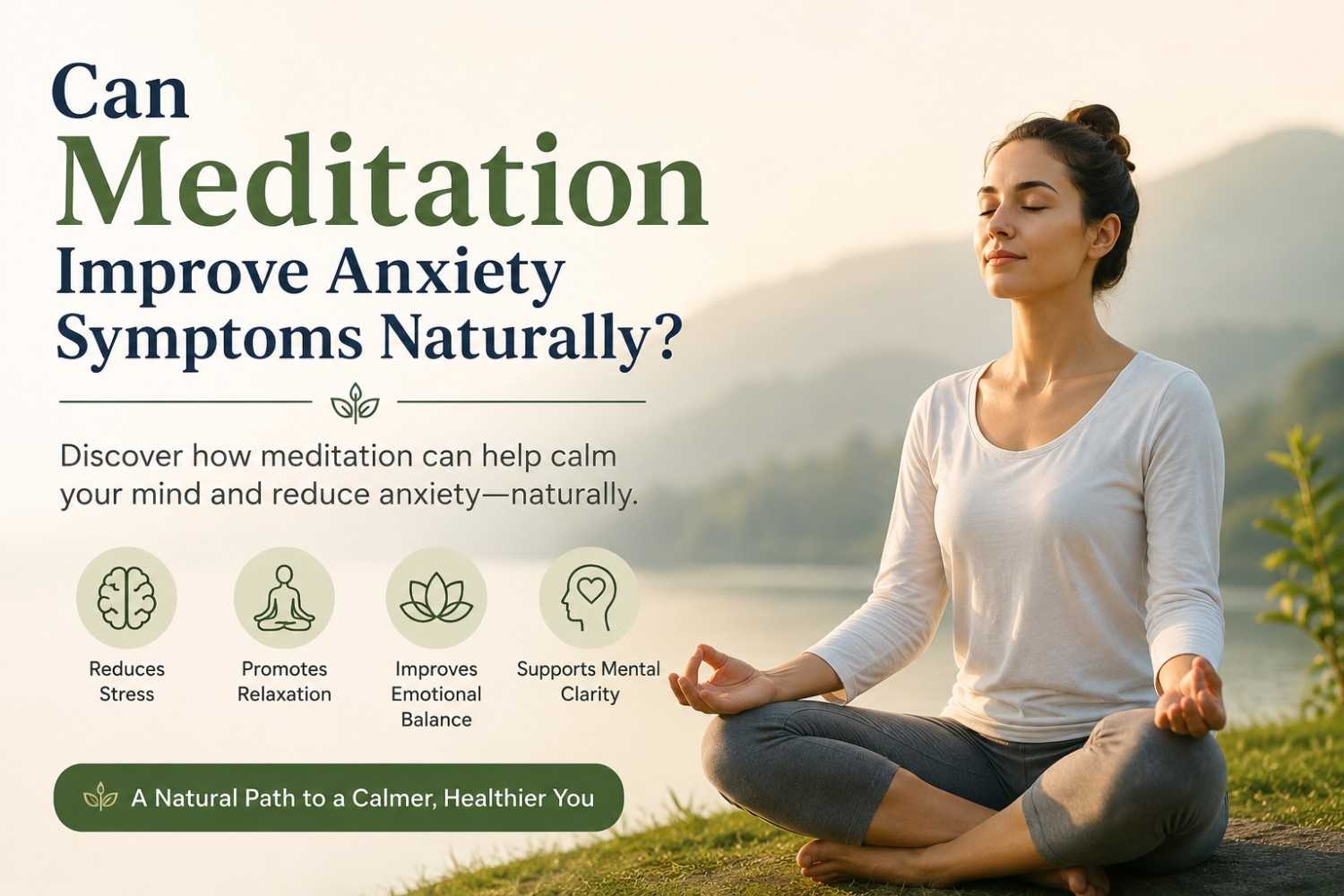
Can meditation improve anxiety symptoms naturally? Learn how meditation reduces stress, improves sleep, calms the mind, and supports better emotional well-being.
Meditation is a mind-body exercise that trains your attention and awareness. Meditation practices a different approach, attempting to focus on the breath, sensations, sounds, or an object, instead of dwelling on anxious thoughts. This practice will help to clear mental clutter over time and enhance the capacity to respond to stressful situations calmly.
- Mindfulness meditation
- Guided meditation
- Loving-kindness meditation
- Breath awareness meditation
- Body scan meditation
- Mantra meditation
Both techniques have the goal of achieving a natural relaxation of the nervous system.
What Is Anxiety?
Anxiety is your body’s reaction to stress or perceived threat. It is normal to feel anxious at times, but if you worry a lot and find it hard to get done the things you need to do, it could be a sign of an anxiety disorder. Symptoms can range from restlessness, lack of sleep, increased heart rate, muscle tension, decreased concentration, panic attacks, and others. When symptoms are severe and persistent, get a medical evaluation.
Common symptoms of anxiety include:
- Continued anxiety or distracting thoughts
- Inability to relax or get a good night’s sleep, feeling “on edge”
- The stress of the muscles and physical pain.
- A fast heart rate or a low breathing rate
- Difficulty concentrating
- Sleep disturbances
Can Meditation Improve Anxiety Symptoms Naturally?
Certainly, meditation will naturally aid in improving anxiety because of its calming effect on one’s mind, reduction of stress, and emotional balance. Meditation practice and regular breathing exercises will reduce stress hormones, worry, promote good sleeping patterns, and increase overall well-being. Meditation, although good for health, should always be combined with a healthy lifestyle and medication in case of serious or chronic anxiety.
How Meditation Helps Reduce Anxiety
1. Calms the Nervous System
Meditation triggers the body’s natural relaxation response, which slows breathing, lowers heart rate, relaxes tight muscles, and quiets the nervous system. This reduces stress and helps to create a feeling of calmness.
2. Reduces Overthinking
Meditation allows you to see anxious thoughts but not be overwhelmed by them. You don’t get lost in what you are worrying about; you just learn to accept your thoughts without overreacting, and you start thinking less and less, and then less and less.
3. Improves Emotional Regulation
Frequent meditation enhances the sensitivity of emotions and the control of oneself. It assists you to think, not react, and allows you to handle the situation, stay calm, and manage your emotions better.
4. Improves Sleep
Practicing meditation before bedtime relaxes both the mind and body. It helps to calm racing thoughts, alleviate muscle tension, lower anxiety at night, and promote deeper, more restorative sleep for improved well-being.
5. Builds Long-Term Resilience
Consistent meditation improves your ability to cope with life’s challenges. It boosts mental resilience, improves stress coping mechanisms, balances emotions, and eases the recovery process from challenging or stressful events.
Types of Meditation That Help Most With Anxiety
| Technique | How It Helps | Best For |
| Mindfulness Meditation | Trains non-judgmental awareness of thoughts and sensations | General anxiety, racing thoughts |
| Body Scan Meditation | Releases physical tension linked to anxiety | Physical symptoms (tight chest, muscle tension) |
| Breath-Focused Meditation | Directly activates the parasympathetic nervous system | Panic symptoms, acute stress |
| Loving-Kindness (Metta) Meditation | Reduces self-criticism and social anxiety | Social anxiety, low self-esteem |
| Guided Visualization | Redirects attention away from worry loops | Beginners, racing/anxious minds |
| Progressive Muscle Relaxation + Meditation | Combines physical release with mental calm | Tension-related anxiety, insomnia from anxiety |
6 Natural Ways to Calm Your Anxiety
1. Deep Breathing Exercises
A relaxation response occurs when your body slows its respiration and releases stress hormones, which is why deep breathing is effective in inducing it. Slow, conscious breathing for a few minutes can help calm anxious thoughts, help focus, and help relax in stressful moments.
2. Progressive Muscle Relaxation (PMR)
Progressive Muscle Relaxation is a technique of tensing and then slowly relaxing various muscle groups in the body. This can help to relieve physical tension that can be caused by anxiety, encourage relaxation, alleviate stress, and increase awareness of where your body may be holding tension.
3. Mindfulness Meditation
Mindfulness meditation is a practice that helps you to focus on the here and now, without judgment. By practicing regularly, you can decrease undue worry, balance out your emotions, lower levels of stress, and, over time, improve your capacity to better manage anxious thoughts.
4. Exercise
Exercise gets endorphins flowing in the body, creating a natural high. Physical activity, such as walking, jogging, cycling, yoga, or strength training, can help lower stress levels, improve sleep quality, boost energy levels, and manage anxiety symptoms, which can also have a positive effect on physical and mental well-being.
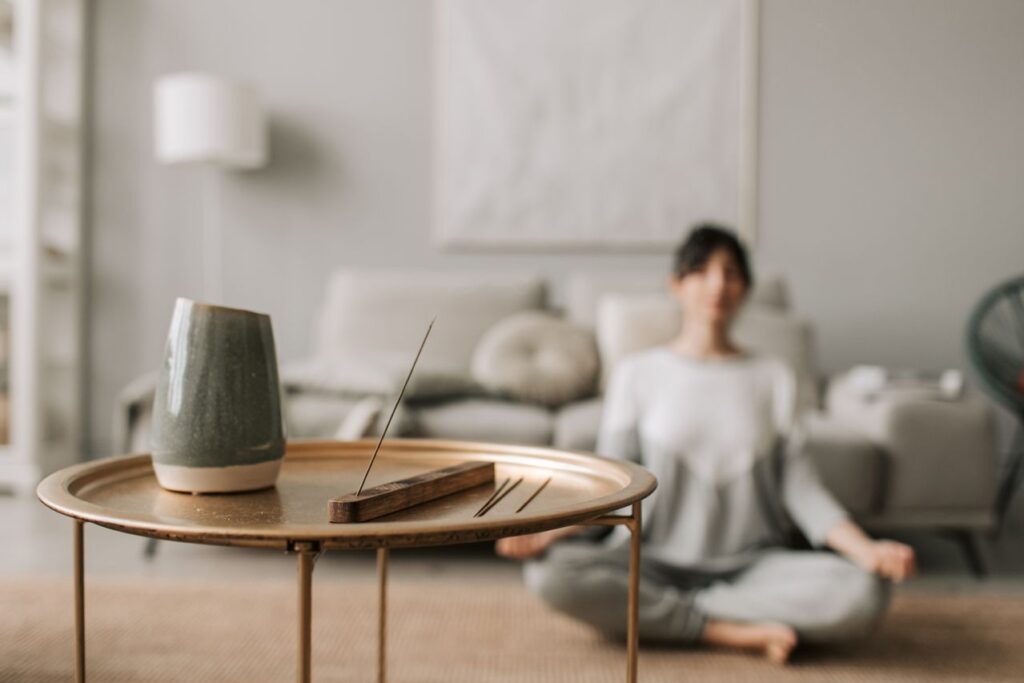
5. Aromatherapy
Relaxation is encouraged by soothing essential oils, like lavender, chamomile, or bergamot, in aromatherapy. Though they can’t replace medical treatment, sweet natural fragrances can help alleviate stress, enhance mood, and induce relaxation in a peaceful atmosphere.
6. Limiting Caffeine and Alcohol
Too much caffeine can make you more nervous, cause your heart rate to rise, and make you feel restless, and too much alcohol can make you unable to sleep and can make you feel more anxious over time. Both decreases in drinks can assist in maintaining a stable mood, obtaining better sleep, and managing anxiety naturally.
Meditation vs. Other Natural Anxiety Remedies
Meditation is often used alongside other natural strategies for anxiety management, including:
- Exercise regularly to lower cortisol levels and increase endorphins
- Sleep hygiene – if sleep deprived, anxiety will be heightened
- Good nutrition, especially decreasing caffeine and sugar consumption.
- Breathwork techniques are very similar to meditation techniques,
- It’s time in nature, which has been proven to reduce cortisol levels.
It is meditation, which directly works on the mind’s interaction with worrying thoughts, and not just the physical symptoms.
How US Pharm Shop Can Support Your Wellness Journey
Meditation is a valuable natural practice for managing stress and anxiety, but some individuals may also benefit from professionally recommended treatments or medications prescribed by their healthcare provider.
US Pharm Shop offers a range of pharmacy products and customer support to help people manage their health needs conveniently. If you have questions about medications, orders, or available products, the platform provides 24/7 customer assistance.
Please always talk to a health care provider before beginning, stopping, or changing any anxiety medication.
When Should You Seek Professional Help?
Seek medical advice if anxiety:
- Interferes with daily life
- Causes panic attacks
- Leads to depression
- Affects work or relationships
- Causes persistent sleep problems
- Results in thoughts of self-harm or hopelessness
A healthcare professional can recommend the most appropriate treatment plan for your individual needs.
FAQs
How long does it take for meditation to reduce anxiety symptoms?
For some, the benefits of a single session are apparent in the body, while sustained changes in anxiety symptoms take 4-8 weeks of regular, daily practice.
Can meditation help with panic attacks?
Mindfulness exercises, such as breathing exercises, can help calm down the physical sensations associated with a panic attack during an attack, and over time, may also help diminish the number and severity of panic attacks.
Is 10 minutes of meditation a day enough for anxiety?
Yes – studies indicate that even short daily meditations can yield significant decreases in stress and anxiety, especially when meditating regularly for weeks.
Does meditation have any side effects?
Meditation is mostly safe. However, in rare instances, especially where one has experienced trauma, intense meditation may trigger some challenging feelings, and that’s why having an expert to guide you through this process is necessary.
Conclusion
Meditation is a natural, effective process for managing anxiety that helps calm the nervous system, decreases overthinking, balances emotions, and promotes improved sleep. Used regularly, combined with healthy lifestyle choices and professional help as necessary, meditation can have a profound impact on mental health and help to develop lasting resilience to everyday stress and anxiety.