Learn whether muscle relaxants relieve body tension, how they work, their benefits, safety tips, side effects, and when to consult a healthcare provider.
What Are Muscle Relaxants?
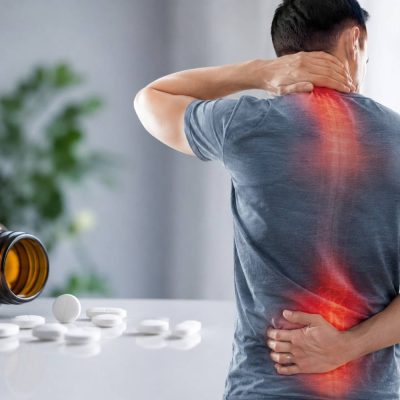
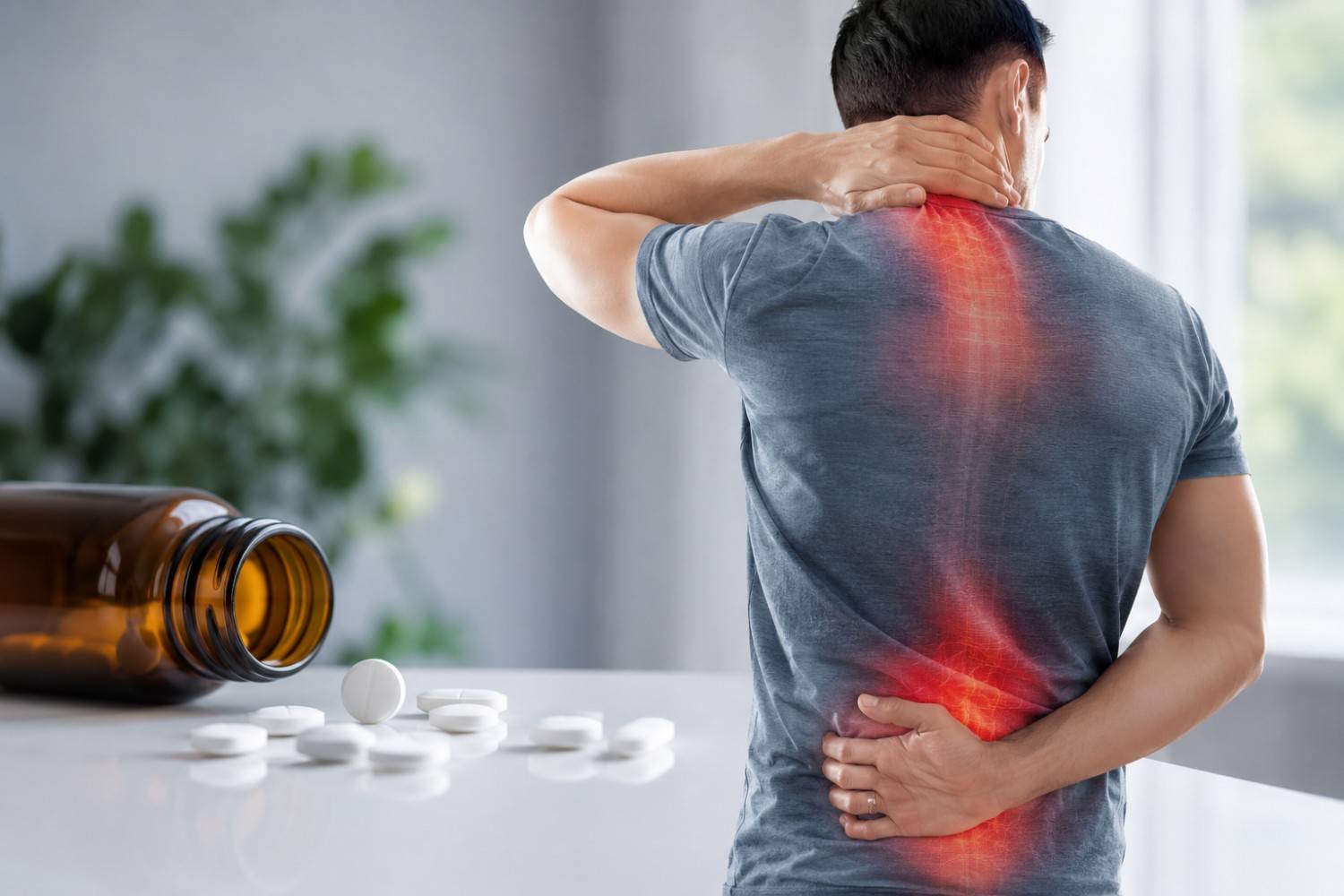
Muscle relaxants are drugs that can be prescribed to help ease muscle spasms, muscle stiffness, and involuntary muscle contractions. They don’t directly build muscle or heal injuries. Rather, they relax the muscles, making movement easier and pain less.
The majority of the skeletal muscle relaxants act on the central nervous system (CNS) to reduce the nerve signals causing painful muscle spasms. Medications work directly on the body tissue, depending on the condition being treated, in some cases.
Can Muscle Relaxants Relieve Body Tension?
Yes, muscle relaxants do work to ease body tension by decreasing muscle spasms, stiffness, and pain from injuries, overuse, or some medical problems. They are used to relax muscles or to have an impact on the central nervous system. They should only be used with the advice and guidance of a qualified healthcare professional for safe and effective treatment.
Common Causes of Body Tension
There are various reasons for body tension to build up, such as:
Physical Stress
When muscles are overworked, due to heavy lifting, repetitive activity, long duration of physical activity, or heavy exercise, it may lead to body tension, muscle stiffness, tightness, soreness, and fatigue.
Mental Stress
When people are anxious, stressed, and/or constantly worried, muscle tension tends to occur, particularly in the neck, shoulders, jaw, and back, resulting in ongoing discomfort and tension.
Poor Posture
With prolonged periods of static sitting, muscles will be forced to absorb more of the strain, causing stiffness, less flexibility, chronic discomfort, and chronic tension in the body over time.
Injury
Muscle spasms, inflammation, and protective muscle tightening often occur when the body reacts during the healing process from injury, such as from a sprain, strain, fall, sport-related, or accident.
Benefits of Muscle Relaxants
Reduce Muscle Spasms
Muscle relaxants inhibit the involuntary muscle spasms that are responsible for making the muscle hurt. This helps to ease tension, decrease discomfort, and enable the muscle(s) to heal, relax, and recover better.
Ease Muscle Pain
These drugs relax tight muscles, thus relieving pressure on nearby tissues and nerves. This creates comfort and a reduction of muscle pain and promotes comfort in everyday activities.
Improve Mobility
Less muscle stiffness or tightness makes walking, bending, stretching, and doing normal activities much easier. More flexibility makes people feel more comfortable and confident to move around during the day.
Better Sleep
Once the muscle pain and spasms improve, you will fall asleep more easily. Improved comfort at night, leading to deeper and uninterrupted sleep, and the body will recover while boosting its energy and health.
Support Physical Therapy
Muscle relaxants can help you to relax tight muscles, which will make stretching and rehabilitation exercises easier. This enhances the physical therapy and helps with movement, decreases in pain, a smooth recovery process, etc.
Who Is a Good Candidate for Muscle Relaxants?
Muscle relaxants are best used by patients who have:
- Sudden muscle spasm that has been diagnosed, such as after a lifting injury or whiplash
- A muscle guarding-related pain that is clearly associated with the guarding, but not nerve compression or structural issues.
- No negative conditions (see below)
- Treatment that combines medication with rest, physical therapy, or stretching — not rest alone.
They are generally not first-line for:
- Tightness over an extended period of time (weeks/months).
- The tension is mostly anxiety or stress-related (these patients tend to be more responsive to therapy-based or non-sedating interventions).
- Patients with a history of drug or substance abuse as several muscle relaxants, have a potential for misuse (particularly carisoprodol)
- In older people who might be at risk of falls and mental side effects from sedating muscle relaxants.

Safety Considerations Clinicians Should Discuss With Patients
Prescription medications serve a purpose for a reason. Several safety considerations need to be highlighted:
Sedation and Impaired Coordination
Most commonly used muscle relaxants tend to cause drowsiness, decreased reaction times, and impaired coordination. Patients should not drive, use machinery, or engage in hazardous activities until they know how the medicine affects them.
Combination Risk
When combined with alcohol, opioids, benzodiazepines, or sleeping pills, the effects of muscle relaxants can be harmful and cause a high level of sedation. Never combine medicines to minimize the risk of overdose and respiratory depression; always consult a health care provider.
Dependence Potential
A few of the muscle relaxants, particularly carisoprodol, can become addictive and have dependence potential when used over extended periods. They should be prescribed carefully, monitored on a regular basis, and used only for short-term therapeutic requirements.
Underlying Diagnosis Matters
If the body tension has not subsided yet, with loss of some function, for example, numbness or weakness, and/or fever or unexplained weight loss, then the situation is very serious.
Muscle relaxants or other treatments are not prescribed until a proper medical evaluation has been made and the cause of the symptoms is determined.
A Prescription and Medical Evaluation Are Essential
Muscle relaxants need medical assessment as they can interact with medicine, be sedative, and may not be appropriate for all conditions. Only use with a licensed health care provider and prescription.
Non-Drug Approaches That Complement (or Sometimes Replace) Muscle Relaxants
The following methods are well supported and do not have a medication risk for many patients, particularly those with chronic or tension-related tension:
- Physical therapy and targeted stretching to correct movement patterns that keep the tension going.
- Foam rolling or other forms of self-massage to enhance blood flow and muscle relaxation,
- Massage therapy, which has been demonstrated to alleviate myofascial tension and enhance short-term pain,
- Progressive muscle relaxation and breathing exercises (in case of tension due to stress)
- Adjustments in the ergonomic aspects, especially relating to posture at work and repetitive action.
- Low-impact exercise – a regular exercise that, over time, lowers the level of muscle tension.
Clinicians may suggest using one or more of these along with a brief treatment of drugs, rather than any one or the other.
When to See a Doctor About Body Tension
If a patient experiences tension, they should seek medical evaluation because it may be a sign of a problem.
- Does not go away within 2-3 weeks with rest and self-care
- Is accompanied by numbness, tingling, or weakness
- Follows an important injury or trauma
- Significantly disturbs sleep or functioning
- Associates with fever, unexplained weight loss, or other systemic symptoms
The clinician can assess and determine if the tension is muscular, neurological, or stress-related and can make the appropriate associations and recommendations — from a few days of a muscle relaxant, to a referral to physical therapy or something else entirely.
Finding Prescription Medications Online
For those who are seeking a reputable online pharmacy and have a prescription, USPHARM Shop offers a wide range of medicines and customer support that can assist you with any order or enquiries. Guests can reach the support team any day of the week or night to help them with their orders and product availability.
FAQs
Can muscle relaxants reduce body tension quickly?
The onset of action of many muscle relaxants is in the first to second hour, and they may offer some relief from muscle spasms and stiffness, depending on the type of muscle relaxant and the cause of the problem.
Do muscle relaxants cure muscle tension?
No. These can treat symptoms, but can’t treat the underlying injury or medical condition that is causing the muscle tension.
Are muscle relaxants effective for back pain?
Yes. They are often used for acute back pain with muscle spasms and can help make them easier to move and feel comfortable.
Can muscle relaxants help with neck stiffness?
When prescribed by a health care provider, they can be used to help ease the stiffness in the neck muscles due to muscle spasms, poor posture, or injury.
Conclusion
The use of muscle relaxers in the alleviation of bodily tensions resulting from muscle spasms, injuries, and musculoskeletal pain is an effective form of medication as long as it is administered under proper medical care. The use of muscle relaxers works best when combined with a comprehensive treatment program involving stretching and exercise.