
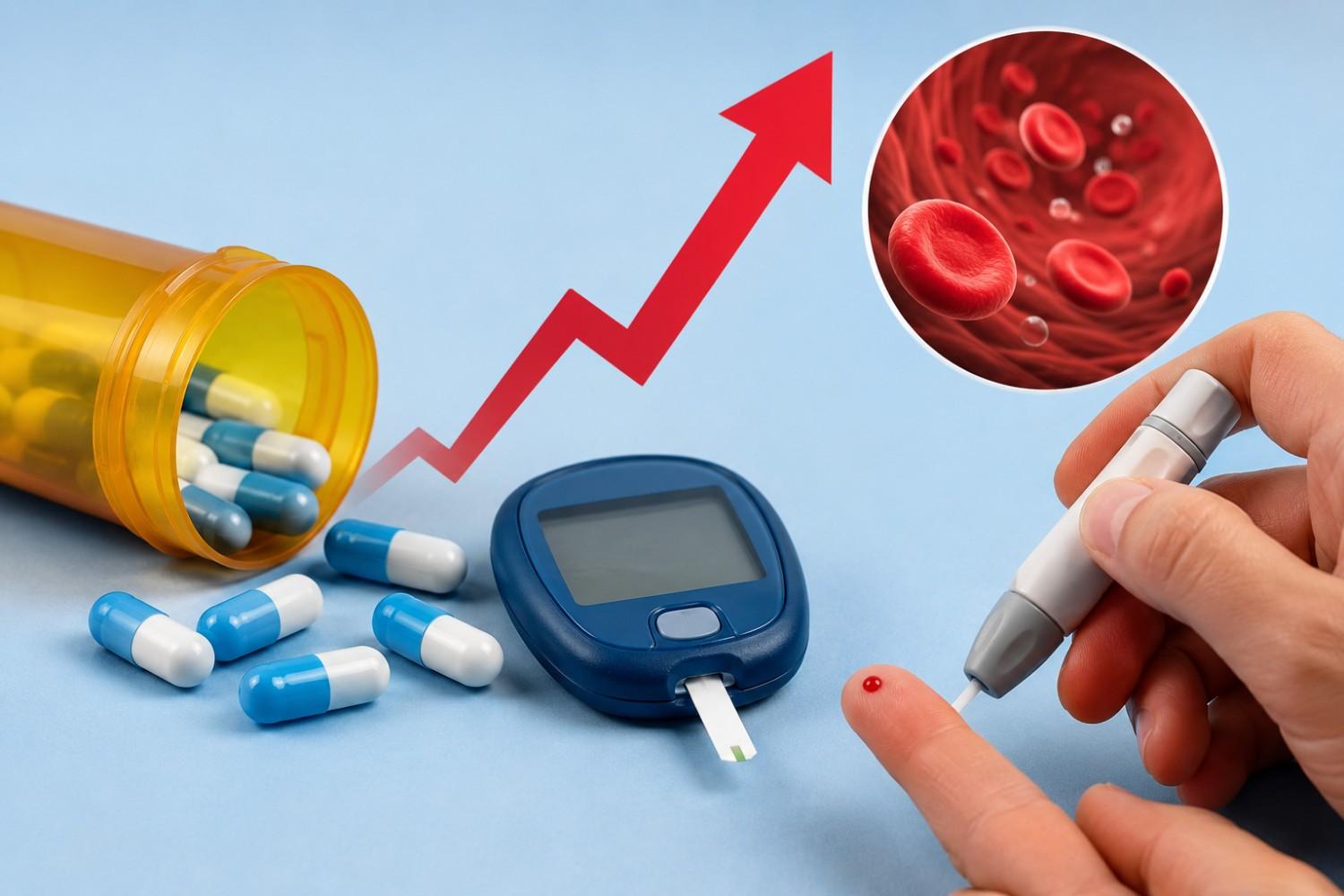
Can antibiotics raise blood sugar? Learn which antibiotics affect glucose, risk factors, symptoms, and tips to manage blood sugar safely during treatment.
Glucose, commonly referred to as blood sugar, is the primary energy source of your cells. It is derived from your food consumption, mainly carbohydrates, and is controlled through insulin. Blood sugar is important for the optimal functioning of your organs, energy production, mental well-being, and overall metabolism.
Can Antibiotics Raise Blood Sugar?
Yes, antibiotics have the ability to increase blood sugar levels in some people, although the underlying reason is more likely to be the infection that needs treatment. Some antibiotics, such as fluoroquinolones, can interfere with the process of regulating blood sugar levels. Diabetes patients need to keep an eye on their blood sugar.
Which Antibiotics Are Most Likely to Raise Blood Sugar?
1. Fluoroquinolones
Levofloxacin, ciprofloxacin, moxifloxacin, and gatifloxacin are the most commonly reported fluoroquinolone antibiotics that affect blood sugar. They can cause both hyperglycemia and hypoglycemia by blocking insulin secretion from the pancreatic β-cells.
2. Macrolides
Diabetes medications may be affected by macrolides like azithromycin and clarithromycin. Clarithromycin may interact with some medicines, making them less effective and causing the blood glucose (sugar) level to drop too low.
3. Tetracyclines
The tetracyclines do not usually affect blood sugar, although in some cases, it has been reported that these drugs may affect blood sugar in people who have insulin resistance or diabetes. For patients who are at risk for fluctuations in blood sugar, it is recommended to monitor blood sugar levels during treatment.
4. Beta-Lactams (Penicillins and Cephalosporins)
Most often, beta-lactam antibiotics (which include penicillins and cephalosporins) do not directly affect blood sugar levels. They are generally regarded as safe alternatives to other antibiotics in the appropriate treatment of bacterial infections by individuals with diabetes.
How Antibiotics May Affect Blood Sugar
Changes to Gut Bacteria
Antibiotics may temporarily alter the balance of healthy bacteria in the gut that affects metabolism and insulin levels. It can cause a blood sugar imbalance for some people, which can lead to short-term changes in blood sugar.
Medication Interactions
Some antibiotics can affect insulin or diabetes drugs like metformin or sulfonylureas. These interactions may affect glucose control, leading to either high or low blood sugar.
Reduced Food Intake
Antibiotics or sickness can lead to a loss of appetite, make you feel bad, and make you throw up. When reducing calories, while taking any diabetes medication, the risk of having low blood sugar levels increases, particularly for diabetics.
Stress Response
Hormones such as cortisol and adrenaline are stimulated by the body’s innate system when it responds to infection. These hormones promote the production of glucose, and blood sugar rises even when on antibiotic treatment.
How to Manage Blood Sugar While Taking Antibiotics
Monitor Blood Sugar Frequently
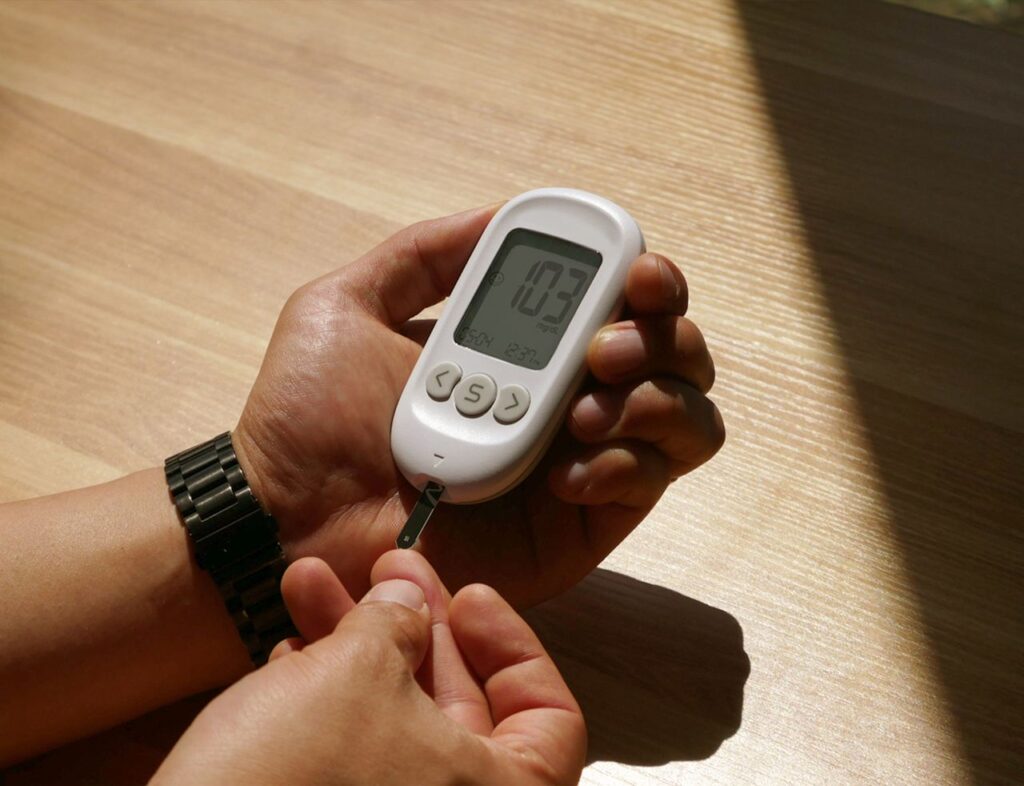
Monitor blood sugar more frequently than normal when using antibiotics, particularly when sick. Regular monitoring can alert you to abnormal changes in glucose levels early and assist in making adjustments as recommended by your health care provider for early detection.
Stay Hydrated
Stay well hydrated by drinking lots of water all day long to avoid dehydration due to high blood sugar or sickness. During recovery, proper hydration will help maintain kidney function and contribute to a healthy glucose balance.
Continue Taking Diabetes Medication
Take your diabetes medication as directed by your health care provider unless otherwise directed. Discontinuing treatment without a physician’s supervision can result in impaired glycemic control, exacerbate infections, and slow the healing process.
Finish Your Antibiotics
Take all of the prescribed antibiotics as directed, even if the symptoms go away. Early cessation of treatment may result in the survival of bacteria, leading to reinfection and the development of complications.
Eat Balanced Meals
Eat balanced meals that include lean protein, whole grain foods, healthy fats, and fiber from vegetables. Giving regular nutritious meals helps to maintain a more stable blood sugar level and prevents fluctuations in glucose levels during the treatment and recovery period from antibiotics.
Why Do Some Antibiotics Affect Insulin and Glucose Levels?
Several important biological mechanisms underlie this phenomenon:
- Pancreatic beta-cell interference: Some antibiotics can inhibit ATP-sensitive potassium channels, either by stimulating insulin secretion, leading to hypoglycemia, or by inhibiting insulin secretion, resulting in hyperglycemia, in the pancreas.
- Drug interactions with diabetes medications: Oral hypoglycemic medications will be affected by some antibiotics, resulting in less predictable blood sugar levels.
- Kidney function changes: Diabetes drugs such as metformin or insulin may be excreted (removed) from the body faster than normal if you take an antibiotic that is also excreted by the kidneys.
- Inflammatory response: This infection initiates the release of cortisol, which increases the individual’s blood glucose level regardless of the type of antibiotic.
Symptoms to Watch For
If you’re taking antibiotics and have diabetes or prediabetes, keep an eye out for these signs of blood sugar imbalance:
- High blood sugar (may experience more urination or thirst)
- Sudden fatigue, shakes, or sweating (may be a low blood sugar)
- Blurred vision
- Dizziness/difficulty focusing
- Unusual hunger
It’s always a good idea to monitor your blood sugar more often when taking a new antibiotic, particularly a fluoroquinolone.
Why Infections Often Raise Blood Sugar More Than Antibiotics
It is thought by many that the medication is responsible for high glucose levels, but this may actually be due to the infection itself. The body responds to infection by releasing stress hormones like:
- Cortisol
- Adrenaline
- Glucagon
These hormones stimulate the liver to make more glucose to fuel the immune system. Because of this, in sickness, blood sugar is often elevated even before antibiotics have been used.
Who Is Most at Risk?
Blood sugar changes are most likely to occur in patients with type 1 diabetes, type 2 diabetes, prediabetes, kidney disease, liver disease, and those with compromised immune systems when they are on some antibiotics. People taking insulin or glucose-lowering drugs, those hospitalized, and older people should carefully monitor their blood sugar during antibiotic therapy.
FAQs
Do all antibiotics raise blood sugar?
No. Very few antibiotics have a direct effect on blood sugar levels. Fluoroquinolones seem to have been associated with important blood glucose changes; however, only a few antibiotics are associated with such changes.
Can amoxicillin raise blood sugar?
In general, no; amoxicillin does not directly cause an increase in blood glucose. When blood sugar rises while being treated, the most likely reason is the presence of an underlying infection.
Should I stop taking antibiotics if my blood sugar increases?
No. Take your antibiotics as directed, unless your health-care provider tells you otherwise. Track blood sugar levels and check with your doctor if they still aren’t manageable.
Conclusion
Some antibiotics may contribute to increased blood sugar, but infections are likely the primary cause of hyperglycemia. Diabetics should watch their blood sugar levels, drink plenty of water, have well-balanced meals, and finish the antibiotics. If blood sugar levels change greatly or symptoms become problematic while on treatment, consult your health care provider.