
Can Xanax cause anxiety? Learn how alprazolam works, side effects, rebound anxiety, withdrawal risks, safe use, and panic attack treatment details.
Introduction to Xanax
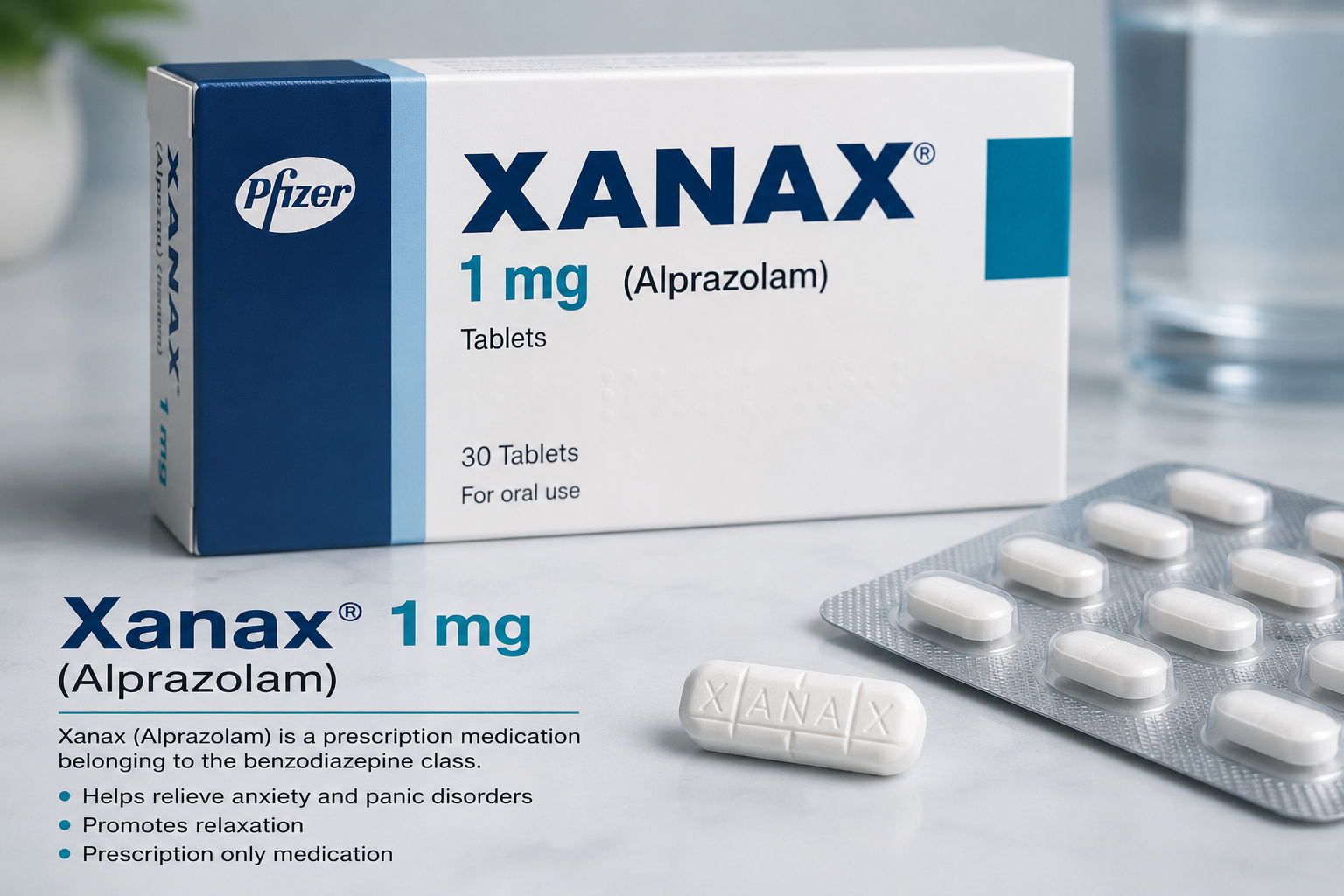
Xanax (alprazolam) is a pharmaceutical preparation belonging to the class of benzodiazepines. It is prescribed by medical professionals for the treatment of disorders related to anxiety and panic states. Xanax calms down the person’s mind, preventing the onset of severe sensations of fear, panic, and stress. The medicine has a rapid action mechanism and provides temporary relief from anxiety problems.
What Is Xanax Used For?
The use of Xanax has attracted the attention of many who are searching for the purpose of using this drug. The uses of Xanax can be categorized as follows:
Xanax medication can be prescribed by a physician for treating
- Generalized anxiety disorder
- Panic attack
- Feeling of fear or nervousness
- Symptoms caused by stress
- Acute sleep disorder associated with anxiety
Use of Xanax for panic attacks has a fast effect in most cases. Alprazolam tablets can ease symptoms like feelings of fear, chest pain, trembling, and quickened heartbeat.
Xanax for mental well-being may assist patients in becoming calmer during major anxiety attacks. Physicians can also prescribe anti-anxiety drugs for use along with psychotherapy and behavioral modification treatments.
How Does Xanax Work?
Users often want to know how Xanax works in the body. Xanax alters the brain’s functioning and inhibits certain signals that generate fear and stress. The medication enhances the functioning of an amino acid in the brain called GABA. GABA makes the body calm.
Because of this action, Xanax tablets may help with:
- Muscle tension
- Panic symptoms
- Racing thoughts
- Fear
- Trouble sleeping
Anxiety relief through Xanax is a fast-acting anxiety relief that is achieved within an hour. Such rapid effectiveness makes this medication very popular in cases of panic attacks and serious anxiety.
Can Xanax Cause Anxiety?
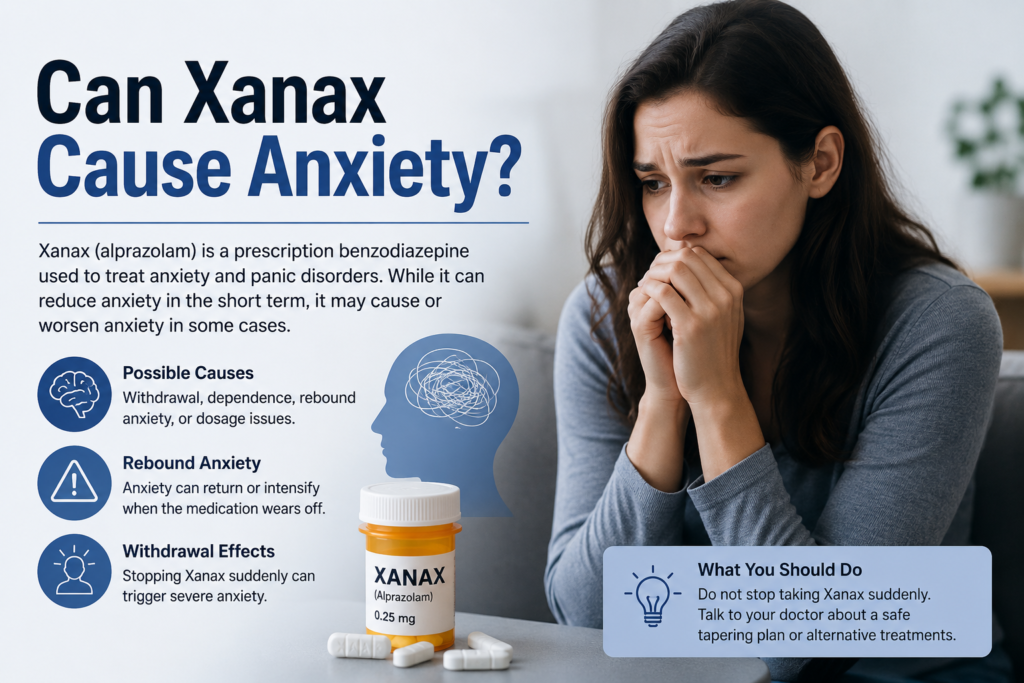
Yes, in some cases, Xanax does cause anxiety. This occurs as a result of using the drug over long periods, missing doses, through the rebound effect, or withdrawing from Xanax usage. In such a case, the patient becomes nervous, restless, scared, or panics when the effect of the drug ceases. The mind depends on Xanax for feelings of tranquility.
Why Xanax Can Cause Anxiety
Xanax affects brain chemicals responsible for controlling stress and calming. In some cases, chronic use lowers the level of natural stress control. When drug concentration falls or treatment stops abruptly, the patient’s anxiety might return even stronger.
1. Breakthrough Anxiety
Breakthrough anxiety is a condition in which anxiety returns before the next dose of Xanax. The patient experiences nervousness, restlessness, fear, and tension because the effect of the medication wears off too quickly.
2. Rebound Anxiety
Rebound anxiety refers to the condition where anxiety comes back much more intensely after the effect of Xanax subsides. It can result in one feeling anxious, fear, palpitations, or shivers. Rebound anxiety is usually associated with long-term use of Xanax.
3. Paradoxical Reactions
Some individuals have opposite experiences with Xanax, such as agitation, irritability, panic, uneasiness, or even heightened anxiety. People who have reached their older ages tend to be at greater risk of having these experiences.
4. Tolerance & Dependence
Tolerance occurs if the same dose of Xanax fails to provide effective relief over time. Dependence occurs when the body becomes dependent on the drug. Failure to take the drug might cause anxiety and panic attacks.
Primary benefits of Xanax
The most significant advantages of using Xanax are that it provides quick relief from panic attacks, enabling patients to feel more in control in situations of fear or anxiety. Other advantages are that it can be useful in the treatment of GAD, helps keep the brain relaxed, relaxes the muscles in the body, and treats insomnia temporarily.
Xanax (Alprazolam) Side Effects at a Glance
Many patients tolerate Xanax well; however, there are cases when one may experience side effects from this drug. The impact is felt by males and females in equal measure.
Drowsiness
A person can experience drowsiness and a lack of alertness when under the influence of this medication. Drowsiness can become a problem after taking high doses of this drug.
Fatigue
A person using this medicine may experience physical tiredness and weariness. It will become hard to do any activities since a person feels physically drained.
Trouble With Coordination
Xanax can affect your sense of balance and coordination of body movements. In some patients, you might feel slow reactions or problems walking because of difficulties in coordination.
Decreased Sex Drive
A decrease in interest in sex is one of the possible side effects of taking Xanax. The reasons for such a decrease might be changes in hormone levels and fatigue.
Memory Problems
Xanax can cause short-term memory problems and distractibility. People sometimes forget what they were told, scheduled meetings, or other activities, particularly during prolonged therapy at high dosage.
Difficulty Speaking Clearly
During treatment with Xanax, people have problems speaking because the medication can weaken muscle control and cause trouble communicating.
Increased or Decreased Appetite
Xanax may either increase or decrease your appetite. While one person may have stronger appetite urges, another individual will eat less due to decreased appetite.
Weight Gain or Weight Loss
There might be changes in weight due to the appetite and activity modifications caused by the use of Xanax. Some individuals have gained weight, whereas others have lost some.
Constipation
Taking Xanax can cause delayed bowel movements or constipation in individuals. Hard stools, abdominal pain, and infrequent toilet visits are some common symptoms reported while taking medication.
Xanax vs Other Benzodiazepines
| Medicine | How Fast It Works | How Long DoeLastLasts | Main Difference from Xanax |
| Xanax (alprazolam) | Very fast (15–30 minutes) | Short to medium (about 11 hours) | Works very fast for anxiety and panic, but can cause stronger withdrawal effects |
| Ativan (lorazepam) | Medium speed (up to 2 hours) | Medium (around 12 hours) | Safer for the liver, often used in older people, lower rebound anxiety risk |
| Klonopin (clonazepam) | Slow (1–2 hours) | Long (22–54 hours) | Gives a long-lasting calm effect, also used for seizure control |
| Valium (diazepam) | Fast (30–60 minutes) | Very long (20–70 hours) | Stays in the body longer, used for muscle spasm and alcohol withdrawal |
How Long Does Xanax Last?
The effects of Xanax usually kick in after 30 to 60 minutes. However, the soothing effect lasts for up to 4 to 6 hours, while the drug stays active in the body for more than 24 hours.
Anxiety Disorder And Xanax Treatment
A large number of individuals suffer from Anxiety Disorder. The effects include fear, anxiety, a racing mind, and panic attacks. Xanax can be used to manage the symptoms temporarily. It should be coupled with other remedies such as exercise and psychotherapy.
Panic Disorder And Xanax
Panic Disorder is responsible for causing unexpected fear attacks characterized by physical signs. Xanax for panic attacks would assist to relieve such attacks faster. Nevertheless, therapists prefer using other treatment approaches for better control of symptoms.
Who Should Avoid Xanax?
The medication might not work well with everyone. This includes cases where individuals have been addicted to drugs in the past, suffer from liver diseases, abuse alcohol, are pregnant, or experience severe difficulty in breathing. One needs medical assistance before taking anti-anxiety pills.
FAQs
Can Xanax cause sleepiness?
Yes. Drowsiness can be considered one of the most prevalent side effects of Xanax. In addition to that, some patients might experience fatigue, dizziness, or weakness while on Xanax.
Can Xanax help panic attacks?
Yes, Xanax taken to treat panic attacks can help one feel less afraid, chest pressure, shaking, and nervousness within a short time. This drug is usually prescribed for temporary panic attacks.
Can Xanax cause weight gain?
Some individuals may experience weight gain while taking Xanax as a result of changes in appetite and energy levels. However, others may experience weight loss while on Xanax.
What happens if you stop Xanax suddenly?
Sudden cessation can lead to Xanax withdrawal symptoms such as anxiety, panic attacks, excessive sweating, tremors, and insomnia. Physicians advise gradual tapering.
Can Xanax be taken daily?
The prescription of daily Xanax intake may be recommended by the doctor in certain instances, although prolonged daily intake increases the chances of becoming dependent on the drug.
Conclusion
Xanax may result in anxiety disorders because of withdrawal, rebound effect, and/or dependence. It is an excellent medication for treating anxiety disorders over the short term, but should be used under strict medical supervision. Safe usage of Xanax allows for improving one’s mental well-being without developing additional anxiety disorders.